
My Cat Has Stopped Eating: When Should I Worry?
Medically reviewed · • Updated
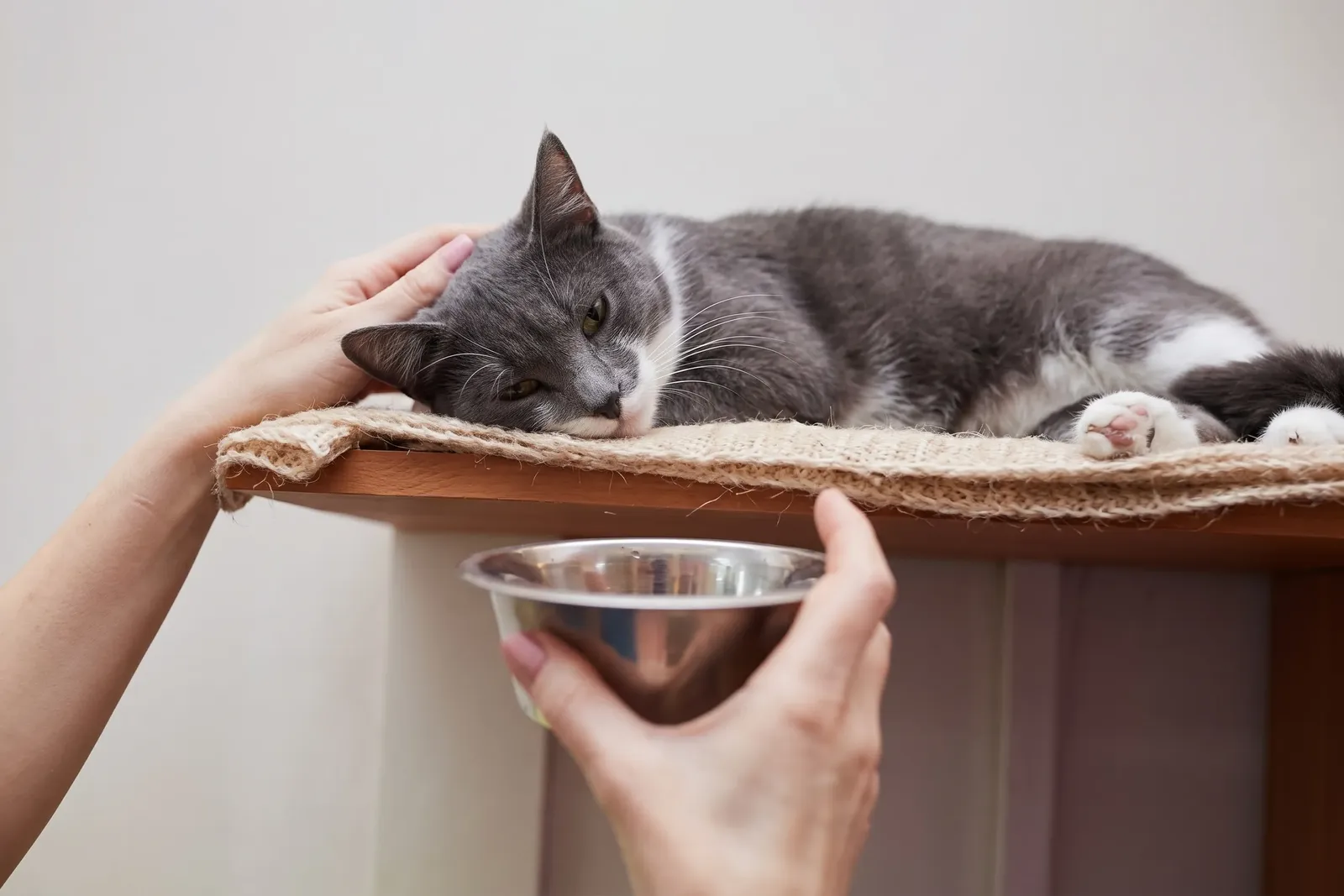
Parkview Pet Center in Madinat Khalifa North, Doha, Qatar treats cats that have stopped eating as a clinical problem worth investigating, not a habit to wait out. A cat can lose its appetite for reasons ranging from a painful tooth to kidney disease to a blocked urinary tract, and telling these apart starts with a physical examination and diagnostic testing, both available on site since 2011. If an adult cat has eaten nothing for around 24 hours, book an assessment, and call sooner if the cat is showing urgent signs outside regular hours.
Why Has My Cat Stopped Eating?
A cat that stops eating is not showing you a diagnosis. It is showing you that something has changed, and the important question is why.
Dental or mouth pain
Tooth disease, mouth ulcers, or a damaged tooth can make chewing painful, so a cat may approach the bowl and then back away.
Nausea or a digestive problem
A nauseous cat does not always vomit — some simply sniff the food and walk away, or eat a few bites and stop.
A blocked nose or respiratory infection
Cats rely on smell to decide whether to eat, so a congested nose can make food far less appealing even when the cat is hungry.
Kidney disease or another internal illness
Appetite loss can be one of the first signs of kidney disease, liver disease, diabetes, or another systemic illness, especially in older cats.
A urinary blockage
A cat straining to urinate may also stop eating. This is an emergency, particularly in male cats, and should never wait.
Stress or a change in food
Moving home, a new pet, boarding, or a sudden diet change can reduce appetite, but this should not be assumed before illness is ruled out.
These causes are not equally likely, and they are not mutually exclusive — a cat with dental pain can also become nauseous, and a cat with kidney disease may drink more before it eats less. Stress is the explanation owners reach for first, which is also why it is the one most likely to delay a diagnosis that needed to happen sooner. A cat that has stopped eating completely, especially alongside vomiting, drooling, or straining in the litter tray, should be assessed rather than watched for a few more days.
Why Not Eating Is Especially Dangerous for Cats
Cats do not simply run on stored fat the way some other species can. When an overweight cat stops eating, that difference becomes a medical concern on its own.
When food intake drops sharply, the body starts mobilizing stored fat for energy. In an overweight cat, this process can outpace the liver’s ability to process the fat that arrives, and fat accumulates inside liver cells instead of being broken down. The result is hepatic lipidosis, a serious liver disease that can develop within days of substantial food refusal, sometimes before the underlying cause of the appetite loss is even found. That is why restoring adequate nutrition is treated as part of the emergency, not something that waits for a diagnosis.
Overweight cats need faster action
A cat that was overweight before it stopped eating should be seen sooner rather than later. The 24-hour guideline that applies to a cat of normal weight is not a safe window to wait out when the risk of hepatic lipidosis is already higher.
What to Check If Your Cat Is Not Eating
What you notice when you offer food, and what the litter tray looks like, can help the veterinarian narrow things down before the visit even begins.
Watch what your cat actually does at the bowl:
This can happen with nausea, or when a blocked nose stops the cat from smelling the food properly.
This often points to mouth or dental pain rather than a lack of interest in eating.
This pattern can occur with nausea, pain, or a developing illness.
A cat that normally reacts to food but shows no interest at all deserves closer attention.
Before your appointment, it also helps to note:
Note when your cat last ate a full meal, not just a missed meal
Watch whether your cat is drinking normally
Check the litter tray for straining or reduced urine
Note whether your cat is vomiting or retching
Note whether your cat was overweight before this started
Bring these observations with you to the appointment
A Urinary Blockage Is a Separate Emergency
A blocked urinary tract can look at first like a cat that simply will not eat, but it is a different emergency that cannot wait for the appetite to return.
A Cat Straining but Producing No Urine Needs Immediate Care
Watch for:
How a Veterinarian Finds Out Why a Cat Has Stopped Eating
Because appetite loss has so many possible causes, diagnosis usually starts with a complete examination rather than an assumption that the problem is digestive.
Physical examination
The veterinarian checks weight, hydration, temperature, the mouth and teeth, the abdomen, the heart and lungs, and the bladder, using what you noticed at home to guide the rest of the visit.
Mouth and dental examination
Some painful dental problems sit below the gum line and are not visible on a quick look, so a painful mouth sometimes needs sedation for a complete examination.
Blood and urine testing
Blood testing checks the kidneys, liver, blood cells, and glucose, while urine testing adds information about hydration, kidney function, and urinary disease.
Imaging when needed
X-ray or ultrasound is used when the examination and lab results do not fully explain the appetite loss, to look more closely at the digestive tract, urinary system, or abdominal organs.
There is no single treatment for appetite loss, because the underlying cause has to be identified first. Depending on what is found, care may include treating pain or the illness behind it, correcting dehydration, managing nausea, and — if a cat cannot maintain adequate food or fluid intake at home — hospitalization while nutrition is supported directly.
What You Can Do at Home While You Arrange Care
If your cat has only recently eaten less than normal, is otherwise bright, and is drinking normally, a few simple measures may help while you monitor the situation or arrange an appointment.
Offer familiar food rather than switching diets suddenly
Feed in a quiet area, away from other pets
Keep the food bowl away from the litter tray
Offer small portions rather than a full meal at once
Warm wet food slightly to bring out its smell
Keep fresh water available at all times
Do not force-feed your cat
Pushing food into a reluctant cat’s mouth can increase stress and make the aversion worse, and it can be unsafe in some situations. A cat that needs assisted nutrition should have that decided by a veterinarian, who can choose the safest way to support intake.
When Should I Take My Cat to a Veterinarian?
If an adult cat has eaten nothing for around 24 hours, veterinary assessment is recommended. Do not wait several days to see whether the appetite returns on its own.
Seek care sooner if:
- Your cat was overweight before stopping eating
- Your cat is a kitten
- Your cat is repeatedly vomiting or cannot keep water down
- Your cat is not drinking
- Your cat is very quiet, weak, or continuously hiding
- The gums, the whites of the eyes, or inside the ears look yellow
Call +974 4417 1560 during clinic hours, or +974 5509 9494 if it is outside regular hours.
A sudden change in appetite is worth acting on, especially when a cat refuses food completely. Book a consultation at Parkview Pet Center in Doha to find out why.
Share this article
Frequently Asked Questions
Answers to the most common questions
1 How long can a cat go without eating?
Do not wait deliberately to find out. If an adult cat has eaten nothing for around 24 hours, contact a veterinarian. Seek help sooner if the cat is overweight, a kitten, vomiting, weak, not drinking, or showing another concerning sign. Parkview Pet Center can be reached at +974 4417 1560, or +974 5509 9494 for urgent problems outside regular hours.
2 Why does my cat sniff the food and then walk away?
A cat that seems interested in food but backs away may be dealing with nausea, mouth pain, or difficulty smelling because of nasal congestion. Watch for repeated lip licking, drooling, vomiting, bad breath, difficulty chewing, sneezing, or nasal discharge.
3 My cat eats treats but refuses normal food. Should I worry?
Potentially. Eating a few treats does not necessarily mean the cat is getting enough nutrition. Pay attention to the total amount eaten over the day and whether the change is accompanied by vomiting, weight loss, changes in drinking, or changes in behavior.
4 Can stress make my cat stop eating?
Yes. Moving home, introducing another pet, boarding, household changes, or a sudden diet change can reduce appetite. However, medical causes should be considered before assuming that complete or ongoing food refusal is simply stress.
5 Why is it more serious when an overweight cat stops eating?
Overweight cats are more likely to develop hepatic lipidosis when they suddenly eat too little. Stored body fat is mobilized toward the liver, where excessive buildup can interfere with normal liver function. Prompt assessment is therefore especially important.
Related Services
Other services you may need

Written by
Dr. Alessandro MagnoMV, MSc, Senior Veterinarian • Internal Medicine, Anesthesiology & TIVA, Pain Management
Part of the veterinary team at Parkview Pet Center, Madinat Khalifa North, Doha, Qatar.
View full profileConcerned About Your Pet?
Book a consultation with our veterinary team in Doha.