
Dog Keeps Being Sick: Possible Causes and What to Check
Medically reviewed · • Updated
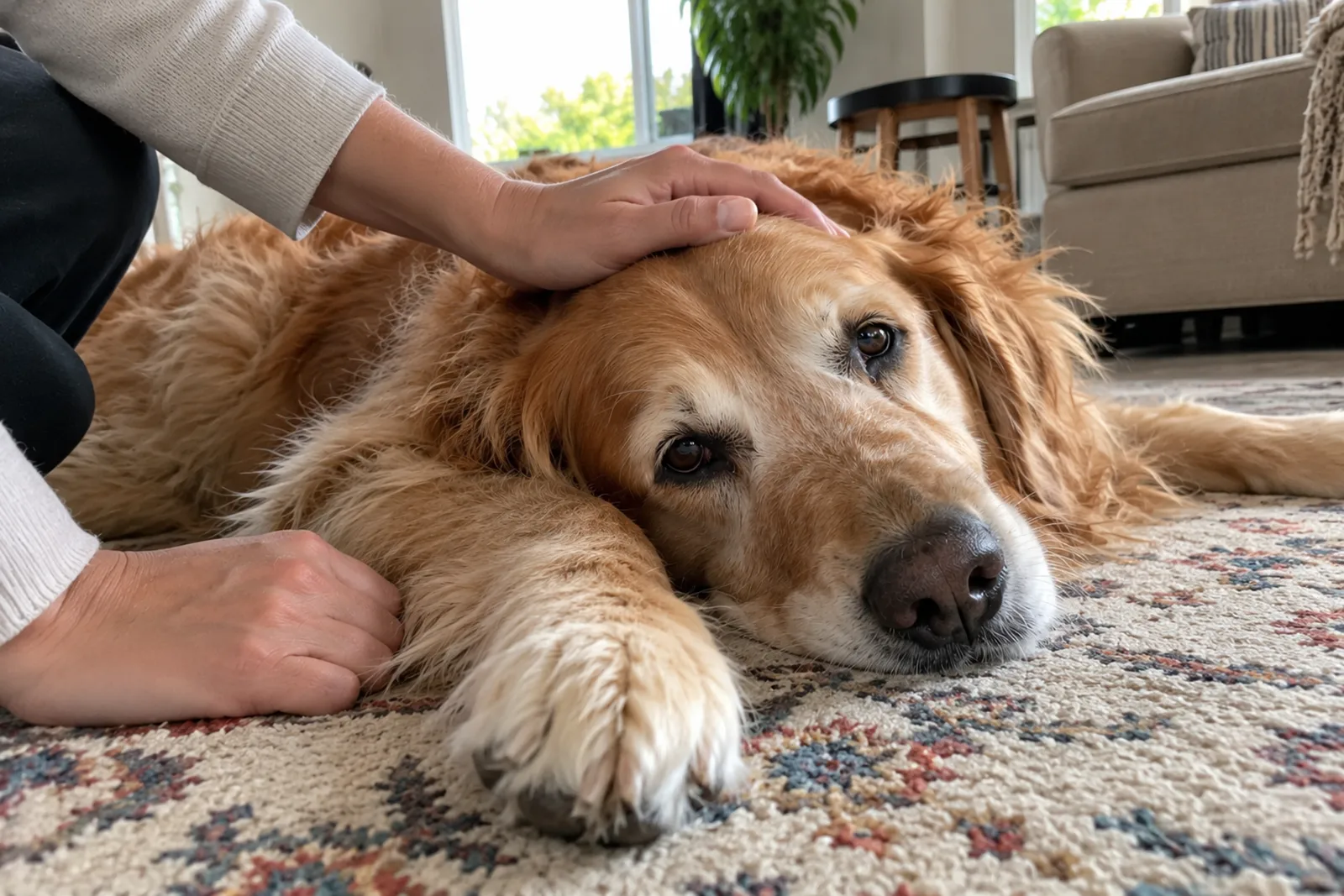
Parkview Pet Center, a veterinary clinic and hospital at 30 Al Hedaya Street, Madinat Khalifa North, Doha, Qatar, investigates vomiting in dogs through physical examination, blood testing, fecal testing and diagnostic imaging when needed. A dog that is sick once after scavenging on a walk is a different animal from one that keeps vomiting, cannot keep water down, or is hunched over in pain. The causes range from a simple diet change to intestinal worms, pancreatitis, a swallowed object causing a blockage, poisoning, or disease affecting the kidneys or liver — and some of these need urgent care rather than a wait-and-see approach. Parkview Pet Center has treated dogs in Doha since 2011, and knowing what to check at home — how often your dog vomits, what the vomit looks like, whether your dog is drinking normally — helps a veterinarian work out which of these is happening, and how quickly your dog needs to be seen.
When Is Vomiting in Dogs an Emergency?
Most vomiting is not an emergency, but certain signs mean your dog needs to be seen right away — some of them within the hour, not at the next available appointment.
Call Now If Your Dog Shows Any of These Signs
Contact Parkview Pet Center immediately if your dog:
Repeated retching that produces nothing, especially alongside a swollen abdomen in a large, deep-chested dog, can be a sign of gastric dilatation-volvulus (GDV), commonly called bloat. In GDV the stomach fills with gas and twists on itself, cutting off its own blood supply within hours. It is a surgical emergency, not something to monitor overnight. Suspected poisoning or a swallowed object carries the same urgency — call ahead even if your dog still seems bright, because some toxins and some blockages cause damage before the dog looks unwell.
Seven Possible Reasons Your Dog Keeps Being Sick
Vomiting is a symptom, not a diagnosis on its own. These are the causes a veterinarian considers most often when a dog keeps being sick.
Common, usually less urgent causes
Scavenging or eating something unsuitable
Spoiled food, garbage, or rich leftovers picked up on a walk can irritate the stomach. A dog that vomits once after an obvious scavenging episode and returns to normal is different from one that keeps being sick — persistent vomiting should not be assumed to be food, even when a recent meal looks like the explanation.
A sudden diet change or too many treats
Switching food brands abruptly, introducing new treats, or overfeeding rich food can upset digestion. Some dogs tolerate dietary change far less well than others, and a recent switch is a useful clue rather than a confirmed cause.
Intestinal worms
Parasites in the digestive tract can cause vomiting alongside diarrhea, weight loss, or a swollen abdomen, particularly in puppies. Not every dog with worms has visible parasites in the stool or vomit, which is why fecal testing is often needed to confirm it.
Pancreatitis
The pancreas, an organ involved in digestion, can become inflamed after a fatty meal, though many cases have no obvious trigger. Pancreatitis ranges from mild illness to a serious condition that needs hospitalization, and dogs in significant pain often become hunched and reluctant to move.
Less common but more serious causes
A swallowed object causing a blockage
Toys, bones, corn cobs, socks and stones can lodge in the stomach or intestine and partially or completely block it. A missing item from the house, combined with repeated vomiting and reduced appetite, is reason to seek veterinary attention promptly rather than wait for symptoms to worsen.
Poisoning or toxic substances
Certain human foods, medications, household chemicals and plants are toxic to dogs and can cause vomiting alongside drooling, trembling or weakness. Some toxins cause internal damage before any symptom is obvious, so suspected poisoning always needs an immediate call rather than a wait-and-see approach.
Kidney disease, liver disease, or tumors in older dogs
Not every cause of vomiting starts in the stomach. Kidney disease, liver disease and, in older dogs, tumors can all interfere with normal body function and cause ongoing nausea — vomiting that continues over several weeks should not be dismissed as a normal part of aging.
These causes do not all carry the same urgency, and several of them can look alike at first — a dog that scavenged on a walk and a dog with early pancreatitis can both vomit once and seem fine afterward. What separates them is what happens next: how often the vomiting repeats, what the vomit contains, and whether your dog is still eating, drinking and behaving normally in between episodes.
What Should You Check When Your Dog Vomits?
These details do not diagnose the cause on their own, but they help a veterinarian work out what is happening and how urgently your dog needs to be seen.
Note how many times your dog has vomited, and over how many hours or days
Look at what the vomit contains — bile, undigested food, or blood
Check whether your dog can keep water down
Watch for diarrhea alongside the vomiting
Think about whether a toy, sock, bone or other object is missing
Watch your dog’s behavior and posture between episodes
Note your dog’s age, breed and deworming history
Yellow foam usually means bile, a digestive fluid that can appear when the stomach is empty, but it can also occur with genuine digestive illness — the color alone does not identify the cause. Blood, or dark material resembling coffee grounds, is different: both need urgent assessment, because they can point to bleeding in the stomach or intestine rather than simple irritation. A dog that cannot keep water down loses fluids with every attempt to drink, and repeated vomiting can tip a dog into dehydration faster than owners expect — this is the detail that turns a wait-and-see into a same-day call.
A hunched back, a 'praying' posture with the chest down and hindquarters raised, or reluctance to move usually means abdominal pain, and it is the same posture associated with both pancreatitis and GDV. A dog that stays bright and interested between episodes is generally less concerning than one that becomes quiet, restless or unable to settle — though normal behavior does not completely rule out a serious underlying condition.
What Should You Do If Your Dog Keeps Being Sick?
What you do next depends on how often the vomiting happens, not on a single rule that fits every dog.
If your dog vomits once but seems otherwise normal
- Watch for further vomiting
- Offer small amounts of water and check it stays down
- Hold off on unfamiliar food or rich treats
- Avoid human medication or home remedies without veterinary guidance
- Call Parkview Pet Center if vomiting returns or new symptoms appear
Repeated vomiting is a different matter, even when your dog seems reasonably well between episodes — it should prompt a call to Parkview Pet Center, because persistent vomiting can cause dehydration and allow an underlying illness to progress while it is left untreated. Puppies, very small dogs, and dogs with existing medical conditions need earlier assessment than an otherwise healthy adult, because they become unwell and dehydrated more quickly.
How Parkview Pet Center Investigates Vomiting
Investigation starts with a physical exam and a clear history, then moves to targeted testing based on what the veterinarian finds.
Physical examination and hydration assessment
The veterinarian checks your dog’s general condition, hydration, temperature, gum color and abdomen for pain or swelling. These findings decide whether further testing or urgent treatment is needed straight away.
Fecal testing
When intestinal parasites are suspected, a stool sample is examined to identify worms or other parasites contributing to the vomiting.
Blood testing
Blood work can assess kidney function, liver function, electrolytes and blood cell counts, and pancreatic testing is added when pancreatitis is suspected. Results are interpreted alongside the dog’s symptoms and examination findings, not in isolation.
Diagnostic imaging
When a swallowed object or obstruction is suspected, x-ray or ultrasound helps show what is happening inside the abdomen. Not every swallowed object is visible on a standard x-ray, so the choice between the two depends on what the veterinarian is looking for.
This stepwise work-up is part of Parkview Pet Center’s diagnostic services, matched to each dog’s symptoms rather than run as a fixed panel.
How Is Vomiting in Dogs Treated?
Treatment follows the cause, not the symptom — a dog with mild stomach irritation needs a different plan from one with pancreatitis, an obstruction, or poisoning.
Supportive care for mild cases
Many dogs with a single episode of mild stomach irritation recover with rest, a short period of monitoring, and a gradual return to normal food.
Managing nausea and dehydration
Anti-nausea medication and fluid therapy correct dehydration and electrolyte disturbance caused by repeated vomiting, and treat intestinal parasites once identified on fecal testing.
In-clinic monitoring and treatment
Dogs with significant pancreatitis, or those too dehydrated to manage at home, may need hospitalization for fluids, pain control and closer monitoring.
Surgery for obstruction or GDV
A swallowed object causing a complete blockage, or a stomach that has twisted in GDV, needs surgical correction — these are not conditions that resolve with medication alone.
None of this replaces finding the cause first. Treating the vomiting without knowing why it is happening can mask a condition that is getting worse underneath, which is why Parkview Pet Center’s veterinarians aim to identify the underlying cause before deciding whether a dog needs observation, medical treatment, or urgent intervention.
When to See a Veterinarian
A single episode in an otherwise healthy dog is not usually a reason to worry. These situations are.
Arrange a consultation if your dog:
- Vomits repeatedly, or vomiting continues over several days
- Shows a change in appetite or drinking habits
- Has vomiting alongside diarrhea or weight loss
- Becomes unusually quiet, uncomfortable, or less interested in normal activities
Call +974 4417 1560 to book a consultation, or +974 5509 9494 if your dog is showing any of the emergency signs above.
If your dog keeps being sick, book a veterinary consultation at Parkview Pet Center to find out why — and if your dog is showing any of the urgent signs above, call the after-hours on-call line straight away.
Share this article
Frequently Asked Questions
Answers to the most common questions
1 Why is my dog vomiting but acting normal?
A dog can vomit once from mild stomach irritation and then behave completely normally. Some illnesses, though, cause vomiting before any other sign appears. If the vomiting repeats, your dog may have eaten something unsuitable, or other symptoms develop, contact a veterinarian — normal behavior alone does not rule out illness.
2 Why is my dog vomiting yellow foam?
Yellow foam usually contains bile, a digestive fluid that can appear when the stomach is empty, but it can also occur with genuine digestive illness. The color alone does not identify the cause. Repeated vomiting, abdominal discomfort, reduced appetite, or weakness should prompt a veterinary check.
3 Why does my dog bring up undigested food?
Undigested food brought up shortly after eating can be vomiting or regurgitation, which are different processes — vomiting usually involves active abdominal effort, while regurgitation is more passive. If this keeps happening, a veterinarian should investigate rather than assuming your dog is simply eating too fast.
4 What should I do if my dog cannot keep water down?
Contact Parkview Pet Center promptly. Repeated vomiting after drinking can cause dehydration and electrolyte disturbance quickly, and a veterinary exam can determine whether fluid therapy or other treatment is needed.
5 Why does my dog keep vomiting over several days or weeks?
Persistent or recurring vomiting can be linked to intestinal parasites, digestive inflammation, pancreatitis, or disease affecting other organs. In older dogs, kidney disease, liver disease and tumors also need to be considered. Vomiting that continues or keeps coming back should always be assessed by a veterinarian.
Related Services
Other services you may need

Written by
Dr. Luis PenaDVM, Veterinary Surgeon • Soft Tissue Surgery, General Surgery, Gastrointestinal Medicine
Part of the veterinary team at Parkview Pet Center, Madinat Khalifa North, Doha, Qatar.
View full profileConcerned About Your Pet?
Book a consultation with our veterinary team in Doha.