
My Dog Has a Red Sore Patch on His Skin: Could It Be a Hot Spot?
Medically reviewed · • Updated
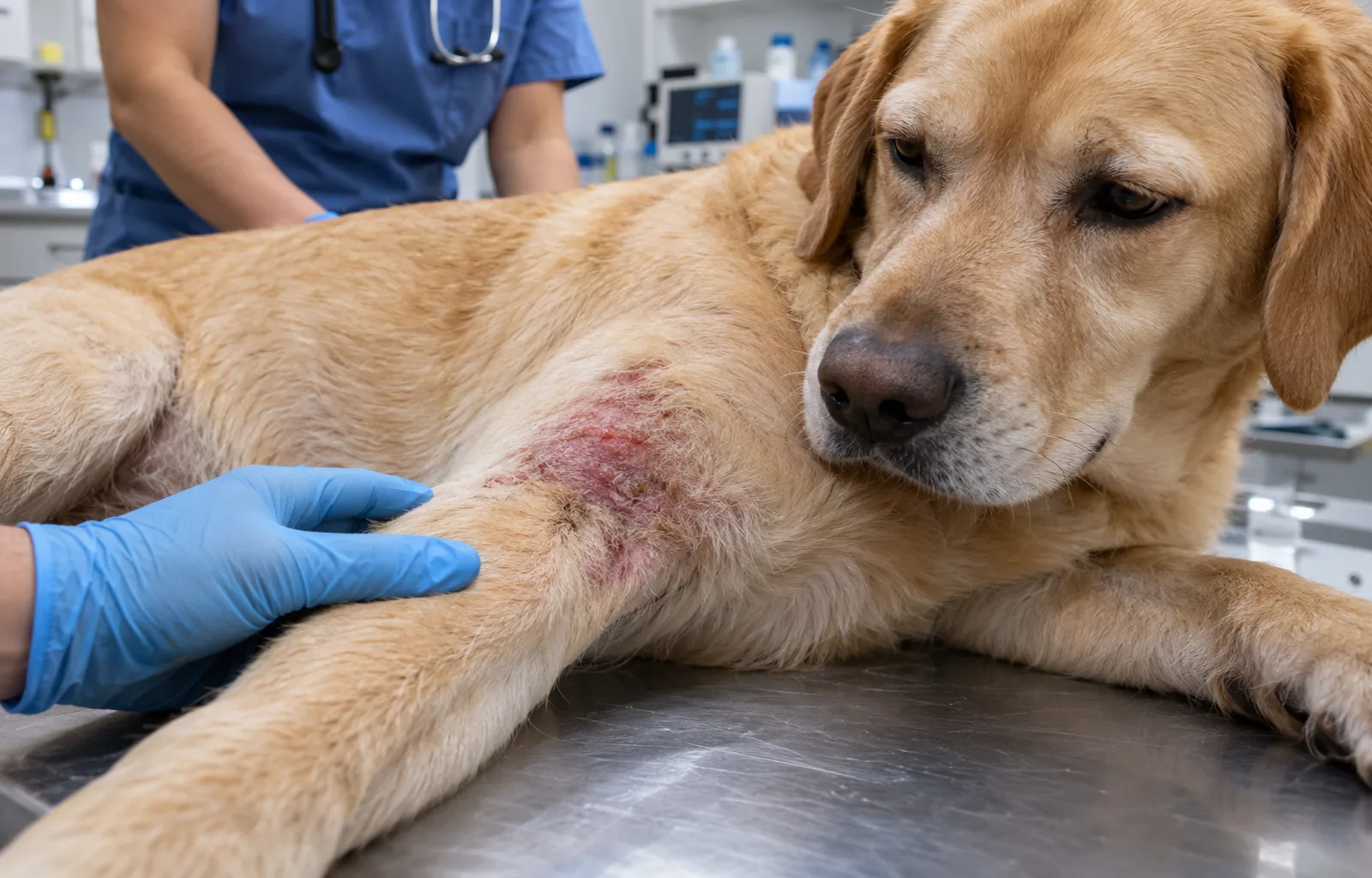
A hot spot — acute moist dermatitis — is a patch of inflamed, often wet or weeping skin that develops when a dog repeatedly licks, scratches, or chews an irritated area, and the damage can spread within hours. Parkview Pet Center, a veterinary clinic and hospital at 30 Al Hedaya Street in Madinat Khalifa North, Doha, Qatar, assesses hot spots as part of its veterinary dermatology service, using skin cytology to check for bacterial or yeast infection and to help identify what triggered the lesion in the first place — fleas, an allergy, an ear infection, trapped moisture, or matted fur. Because the visible sore is usually a symptom rather than the whole problem, finding that trigger is central to stopping it from coming back. Parkview Pet Center has treated dogs and cats in Doha since 2011.
When a Red Skin Patch Needs Same-Day Care
Not every red patch is an emergency, but some hot spots worsen quickly enough that waiting makes them harder to treat.
Arrange a same-day veterinary assessment if:
- The sore is spreading rapidly or has become large
- There is a strong smell or thick discharge
- Your dog cannot stop licking, scratching, or chewing the area
- Several new patches appear within a short period
- Your dog seems unusually tired, feverish, or unwell
- The affected skin is extremely painful
Call +974 4417 1560 to arrange a same-day assessment at Parkview Pet Center in Doha.
Collapse or Severe Illness Needs Immediate Care
Seek emergency veterinary care right away if, alongside the skin lesion, your dog shows:
What Does a Hot Spot Look Like?
A hot spot is an area of skin inflamed by repeated licking, scratching, or chewing. The medical term is acute moist dermatitis, also called pyotraumatic dermatitis.
Bright red, inflamed skin
the center of the lesion looks raw and angry compared to the surrounding coat
A wet or weeping patch
the area may feel sticky or moist to the touch
Hair loss
fur around the lesion thins or falls out, often in a widening circle
Pain or sensitivity
the dog flinches or pulls away when the area is touched
Repeated licking or chewing
the dog keeps returning to the same spot, which is usually what enlarges it
Crusting, discharge, or smell
an unpleasant odor or crust can develop once the skin becomes infected
Not every red patch is a hot spot
Hot spots can develop within hours once a dog starts licking or chewing at an irritated area, and in long-haired dogs the lesion itself may stay hidden under the coat — owners often notice persistent licking, damp fur, or an unusual smell before they ever see the sore. Other skin infections, wounds, parasites, and inflammatory conditions can look similar at a glance, so a veterinary examination is what actually tells them apart, not the appearance of the patch alone.
What Causes Hot Spots in Dogs?
Hot spots are usually triggered by something else that is already making the dog itchy or uncomfortable.
Fleas and flea allergy
Flea bites cause intense itching, especially in dogs allergic to flea saliva. These dogs often bite or scratch at the lower back, rump, or base of the tail, and fleas are not always easy to find once the skin has already been damaged by scratching.
Environmental and food allergies
Dust, pollen, and other environmental allergens, along with certain foods, can drive recurring itching and inflammation. Allergic dogs often lick their paws, rub their face, or develop recurrent ear infections alongside any skin lesion.
Trapped moisture and matted fur
Moisture left under a thick coat after swimming or bathing can irritate the skin underneath. Matted fur makes this worse by holding dampness against the skin and hiding the irritation from view.
Ear infections
An uncomfortable ear often leads to scratching around the head, cheek, or neck, which can damage the skin nearby. Head shaking, discharge, or an unpleasant smell from the ear point toward this as the underlying cause.
Anal gland problems
Discomfort around the anal glands can cause a dog to lick or chew near the base of the tail. Scooting or discomfort when sitting often comes with it.
Insect bites, wounds, or localized pain
A bite, a small injury, or an area of joint or muscle discomfort can all cause a dog to settle on one spot and lick repeatedly. Once the skin breaks down, the original trigger can be harder to find.
Treating the visible sore without finding what caused it rarely keeps it from coming back, because the hot spot is a symptom of the underlying trigger rather than the problem itself. A flea exposure, an allergy flare, an ear infection, or fur that stays damp against the skin will each keep driving the same licking-and-scratching cycle until it is addressed directly.
What to Check Before the Veterinary Appointment
A few observations before the visit help the veterinarian get to the underlying trigger faster.
Where the hot spot sits can point toward what started it, though none of these patterns substitutes for an examination. A lesion on the cheek or neck often follows ear irritation, since a dog scratching at an uncomfortable ear usually damages the skin nearby rather than the ear canal itself. A patch at the rump or tail base more often tracks with fleas, flea allergy, or anal gland discomfort, while a lesion on the flank, hip, or leg is more likely tied to licking at a site of pain or stiffness, or to a patch of trapped moisture under a mat. Mention the location, and anything you have noticed around it, when you call to book.
Before you call, it helps to check:
Note how quickly the patch appeared
Check the location — cheek, tail base, or flank
Confirm whether your dog recently went swimming or had a bath
Check that flea prevention is current
Look for matted fur trapping moisture nearby
Watch for itching elsewhere, such as the ears or paws
Note whether your dog can reach and lick the area
Take a clear photograph of the lesion
How Is a Hot Spot Diagnosed?
Diagnosis looks at the damaged skin and at whatever triggered it, since treating the lesion without the cause rarely holds.
Skin and coat examination
The veterinarian examines the lesion and surrounding fur, carefully clipping hair where needed to see the full extent of the damage, and checks for fleas, matting, or signs of wider skin disease.
Skin cytology
A sample taken from the affected skin is examined under the microscope to look for bacteria, yeast, or inflammatory cells. This is called skin cytology, and the result helps decide whether — and what — additional treatment is needed.
Investigating the underlying cause
Depending on the history and the dog’s wider symptoms, the veterinarian may also assess flea exposure, ear health, allergic skin disease, anal gland comfort, and any source of localized pain.
Dogs with recurring or unclear skin problems may need a fuller veterinary dermatology assessment.
How Are Hot Spots Treated?
Treatment addresses the damaged skin first, then whatever is keeping the itch-and-lick cycle going.
Expose and clean the area
The fur around the lesion is carefully clipped to reveal its full extent and allow proper cleaning. Because hot spots are often painful, gentle handling and pain relief may be needed during this step.
Control itching, pain, and inflammation
Topical or systemic medication prescribed by the veterinarian reduces inflammation and discomfort, which helps break the itch-and-lick cycle that keeps the lesion going.
Prevent further self-trauma
A properly fitted protective cone stops the dog from reaching the area, giving the damaged skin a chance to heal without being reopened by more licking or chewing.
When infection needs treatment
Not every hot spot needs oral antibiotics. Where skin cytology shows a significant bacterial infection, the veterinarian prescribes antimicrobial treatment alongside the rest of the plan rather than as a routine first step.
None of this explains why the hot spot happened in the first place, and longer-term control depends on treating that trigger — stepping up flea prevention, working through an allergy investigation, treating an ear infection, or addressing a source of pain. For selected skin conditions, Parkview Pet Center also offers veterinary-prescribed medicated grooming as part of a treatment plan, though medicated bathing should follow a diagnosis rather than be used automatically for every hot spot.
What Can You Safely Do at Home?
While you arrange a veterinary visit, the priority at home is stopping further self-trauma.
Fit a properly sized protective cone if your dog won’t stop licking
Keep the area dry
Avoid touching or rubbing the painful skin
Photograph the lesion to track how it changes
Follow any instructions your veterinarian has already given
What to avoid
A few home remedies do more harm than good on inflamed skin.
- Human creams or medications without veterinary advice
- Alcohol, harsh disinfectants, or essential oils on the lesion
- Cutting close to inflamed skin with scissors
- A tight bandage over a moist lesion unless instructed
- Removing painful mats yourself at home
A very small, recently developed irritation may settle once the trigger is removed and the licking stops. An open, painful, weeping, or worsening lesion still needs to be seen.
Why Doha’s Climate Matters
Doha’s heat and humidity change how easily moisture gets trapped against the skin, and how long it stays there.
A thick double coat that has been swum in or bathed and not dried all the way through holds moisture close to the skin for hours, and matted fur traps that dampness further while hiding the irritation from view. Even when the outer coat feels dry, the undercoat underneath often is not. Heat and humidity alone do not explain every hot spot, though — flea allergy, environmental allergy, and ear infections remain common underlying triggers regardless of climate, and still need to be ruled in or out on their own. For dogs in Doha, drying the coat thoroughly after swimming or bathing, checking regularly for matting, and keeping flea prevention running year-round — including for dogs that spend most of their time indoors — reduce avoidable risk.
Preventing Hot Spots From Returning
Preventing a hot spot from coming back depends on controlling whatever triggers it, not on treating the next sore that appears.
Keep a veterinary-recommended flea prevention plan running year-round, not just during warmer months.
Work through recurring itching with a veterinarian instead of treating each new sore as a one-off.
Seek veterinary advice as soon as head shaking, scratching, or ear discharge develops.
Prevent matting and check underneath dense fur regularly, especially after time outdoors.
Pay attention to the undercoat, not just the top coat, after every swim or bath.
Repeated attention to the same spot, even before a sore appears, is worth mentioning at the next visit.
Dogs that develop hot spots repeatedly usually need a broader dermatology work-up rather than another round of treating the visible sore. Once the underlying trigger is under control, the skin has a far better chance of staying healed between episodes.
If your dog has a red, sore, wet, or painful patch of skin, a veterinary examination can identify what caused it and guide treatment. Book a dermatology consultation at Parkview Pet Center in Doha.
Share this article
Frequently Asked Questions
Answers to the most common questions
1 Can a hot spot appear on my dog overnight?
Yes. Hot spots can develop rapidly once repeated licking, scratching, or chewing damages the skin, and a small irritated area can become a larger, moist lesion within hours. Call +974 4417 1560 if the patch is growing quickly so a veterinarian can assess it sooner rather than later.
2 Can a dog's hot spot heal without veterinary treatment?
A very small, newly developed irritation may settle once the trigger is removed and the licking stops. Painful, open, moist, or spreading lesions should be examined, since continued licking usually makes them larger rather than better.
3 Are hot spots contagious to other pets or people?
A typical hot spot caused by self-trauma is not contagious on its own. Some infectious skin conditions can look similar, though, so a veterinary examination matters when the diagnosis isn't clear, especially if other pets or household members develop skin problems too.
4 Does every hot spot need antibiotics?
No. Treatment depends on the condition of the skin and whether skin cytology shows a bacterial infection. Some cases are managed with cleaning and inflammation control alone, while others need antimicrobial treatment prescribed by a veterinarian.
5 How long does a hot spot take to heal?
Healing time depends on how severe the lesion is, whether infection is present, and whether the dog keeps licking the area. A veterinarian can assess the lesion and recommend a follow-up if it isn't improving as expected.
Related Services
Other services you may need

Written by
Dr. Julieta CavalcanteDVM, Veterinarian • Dermatology, Dental Care & Stomatology, Neurology
Part of the veterinary team at Parkview Pet Center, Madinat Khalifa North, Doha, Qatar.
View full profileConcerned About Your Pet?
Book a consultation with our veterinary team in Doha.