
Are Lilies Toxic to Cats? Signs, Risks and What to Do After Exposure
Medically reviewed · • Updated
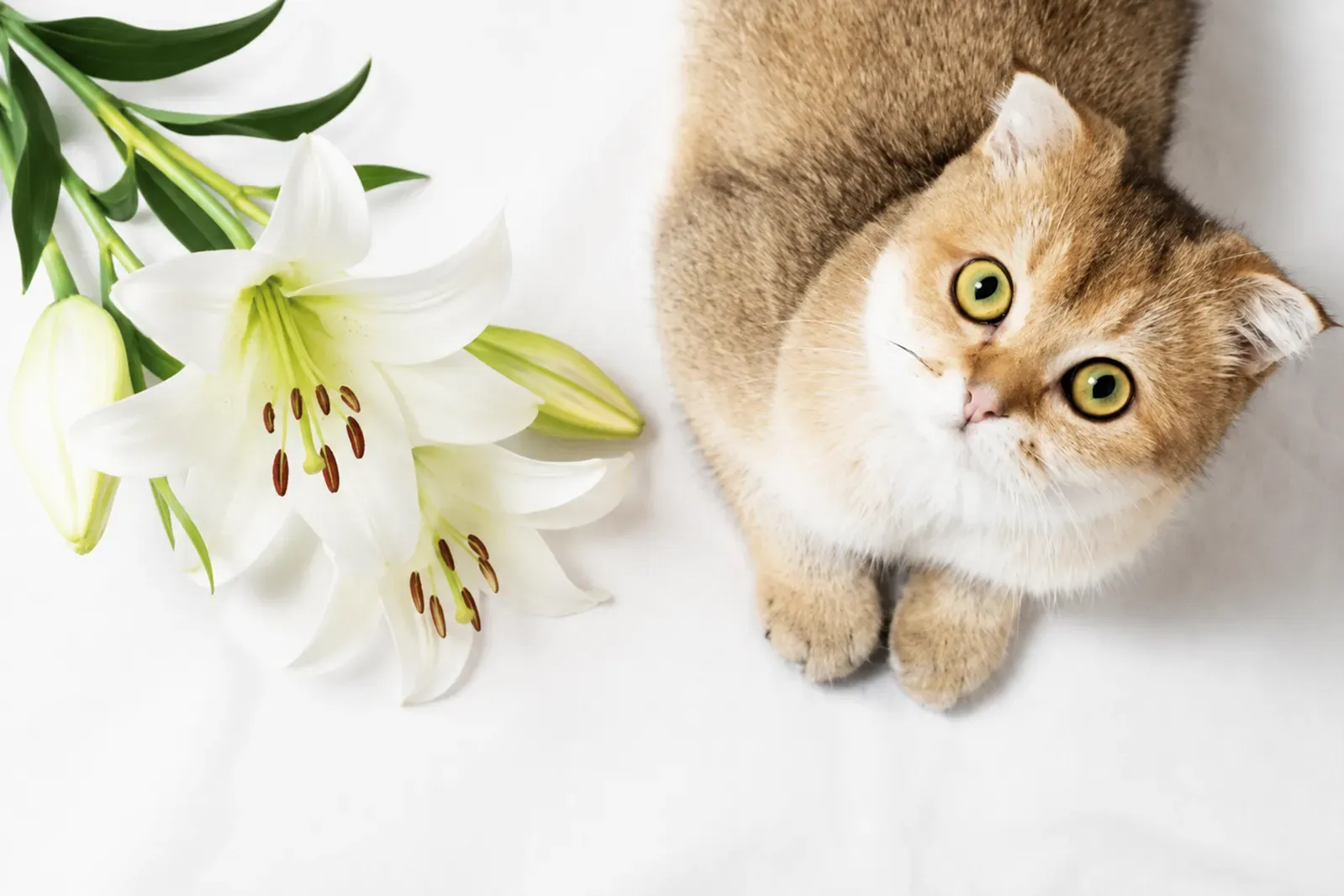
Parkview Pet Center, in Madinat Khalifa North, Doha, Qatar, examines cats after suspected exposure to true lilies and daylilies — plants that can cause sudden, severe kidney injury from even minimal contact with pollen, plant material, or vase water. Alongside daytime appointments, an after-hours emergency on-call service is available for situations that arise outside regular clinic hours, established in 2011.
Why Lilies Are So Dangerous to Cats
True lilies and daylilies can cause sudden, severe kidney damage in cats, often before any symptoms appear.
The exact substance responsible has not been clearly identified, but the effect on a cat's kidneys is well recognized in veterinary medicine. Once enough toxin has been absorbed, kidney function can decline rapidly.
This makes lily exposure different from most household plant problems. A cat can look completely normal for hours after contact while kidney injury is already developing internally. The decision to contact a veterinarian should rest on possible exposure, not on whether symptoms have shown up yet.
There is no breed pattern to this risk. Any cat that chews, licks, or grooms after contact with a true lily or daylily is vulnerable, regardless of age or breed.
Watch the short clip below for a quick reminder of why lily exposure in cats is treated as an emergency rather than a wait-and-see problem.
Does a Cat Have to Eat the Flower to Be Poisoned?
No. Several parts of a true lily or daylily can create a risk, and a cat does not need to chew the flower itself to be exposed.
Flowers and petals
Any part of the bloom can be chewed or licked by a curious cat.
Leaves
A single chewed leaf can be enough to create a risk.
Stems
Stems carry the same risk as the flower itself if chewed.
Pollen
Pollen brushed onto the coat is often groomed off and swallowed later.
Vase water
Water that has held a true lily or daylily can carry the toxin.
Pollen is easy to overlook. A cat can brush against a flower, carry pollen on its coat without ever biting the plant, and later swallow it during normal grooming. A cat can also drink from a vase without touching the flowers at all.
Placing a vase on a high shelf does not remove the risk. Many cats climb readily, and pollen can drift or fall onto surfaces well below the flowers themselves.
There is no dose that can be judged safe to wait out at home. A chewed petal is often found only after the cat has walked away, and pollen may be groomed off before anyone notices. Because the amount actually swallowed is rarely known, veterinary assessment is safer than estimating the risk at home.
What Are the Signs of Lily Poisoning in Cats?
A cat may show no obvious signs at first. When symptoms do appear, they can include the following.
Vomiting
May appear soon after exposure or develop later.
Drooling
Can follow chewing or licking plant material.
Loss of appetite
A cat may stop eating with no other obvious cause.
Unusual tiredness
Reduced activity or reluctance to move around.
Signs of dehydration
Dry gums or sunken eyes can develop as kidney function declines.
Changes in urination
Producing more, less, or no urine at all.
Changes in urine production are especially concerning, since they can point to significant kidney dysfunction. The absence of symptoms immediately after exposure does not mean a cat is safe.
My Cat Touched a Lily but Seems Fine. Is That Still a Concern?
Yes, if pollen may have reached the coat or paws, or if the cat had any contact with the plant or its water.
Simply walking past a lily is not the same as swallowing part of it, but contact becomes important once pollen transfers to fur or paws. A cat that grooms itself afterward can easily ingest that pollen without anyone seeing it happen.
If there is any reasonable chance pollen reached the coat, or that the cat licked, chewed, or drank from the arrangement, treat it as a possible exposure and contact a veterinarian for advice rather than waiting to see if signs develop.
When to See a Veterinarian
Suspected exposure to a true lily or daylily is itself a reason to seek veterinary advice, even without any visible symptoms.
Suspected lily exposure needs same-day veterinary care
Contact a veterinarian immediately if a cat has:
What Will a Veterinarian Do After Lily Exposure?
Treatment depends on what happened, how recently it occurred, and the cat's condition at examination.
Confirming the likely exposure
The veterinary team will ask what type of plant was involved and which parts the cat may have contacted.
Reducing further absorption
Decontamination may be considered depending on the timing and type of exposure.
Assessing kidney function
Blood and urine testing help evaluate how the kidneys are responding.
Providing supportive treatment
Fluid therapy and hospitalization may be recommended when clinically appropriate.
Monitoring closely
Kidney values, hydration and urine production may need repeated checks over the following days.
There is no specific antidote that reverses true-lily toxicity, which is why assessment as early as possible matters more than any single treatment step.
Parkview Pet Center's emergency service is available for situations that occur outside regular clinic hours.
Which Lilies Are Most Dangerous to Cats?
The main kidney-injury risk comes from plants in the Lilium and Hemerocallis genera.
Lilies of concern
Mixed flower arrangements deserve particular attention, since a florist may include one of these lilies without an owner recognizing it by name. The safer approach for any household with cats is not to bring true lilies or daylilies inside at all.
Are Peace Lilies Dangerous to Cats?
Peace lilies are not true lilies and do not cause the kidney injury linked to Lilium and Hemerocallis plants.
They are not harmless, though. Peace lilies contain insoluble calcium oxalate crystals, and chewing the plant can irritate a cat's mouth and throat.
Signs of oral irritation
A cat that has chewed a peace lily may show:
- Drooling
- Pawing at the mouth
- Discomfort around the mouth
- Vomiting
- Difficulty eating
Because several unrelated plants share the word lily in their common name, identifying the exact plant matters before assuming which type of reaction to expect.
How to Prevent Lily Poisoning at Home
Keeping true lilies and daylilies out of the home is the most reliable form of prevention.
Check the names of flowers before bringing bouquets home.
Ask florists whether mixed arrangements contain true lilies or daylilies.
Do not rely on placing lilies on a high shelf or table.
Remove fallen petals and pollen immediately.
Keep cats away from flower-vase water.
Check bouquets received as gifts before placing them in the home.
Avoid dried arrangements containing lilies.
Owners in Doha often receive flower arrangements as gifts for celebrations and visits without knowing every plant a florist has included. Checking a bouquet before it comes within a cat's reach is a simple way to prevent an avoidable exposure.
The bottom line If a cat may have contacted a true lily or daylily in any way, contact a veterinarian immediately rather than waiting for symptoms.
If a cat may have chewed, licked, or been near a true lily or daylily, do not wait for symptoms to appear. Parkview Pet Center can assess cats in Doha after suspected exposure.
Clinical references
- A Comprehensive Study of Easter Lily Poisoning in Cats . Journal of Veterinary Diagnostic Investigation, 2004.
- Outcome following gastrointestinal tract decontamination and intravenous fluid diuresis in cats with known lily ingestion: 25 cases (2001-2010) . Journal of the American Veterinary Medical Association, 2013.
- Lily Toxicity in the Cat . Topics in Companion Animal Medicine, 2010.
Share this article
Frequently Asked Questions
Answers to the most common questions
1 Can a cat survive lily poisoning?
Cats can recover from lily exposure, particularly when veterinary assessment and treatment begin before severe kidney injury develops. The outlook becomes more guarded once significant kidney dysfunction is already present.
2 Can smelling a lily poison my cat?
Smelling the flower itself is not the main concern. The risk comes from ingesting plant material, pollen, or contaminated vase water. A cat close to a flower can still collect pollen on its coat and swallow it later while grooming.
3 My cat touched a lily but seems completely normal. Should I still call a veterinarian?
Yes, if pollen may have reached the coat, or if there is any possibility the cat chewed, licked, groomed, or drank from the arrangement. A normal appearance immediately after exposure does not rule out risk.
4 Are dried lilies safe to keep around cats?
True lilies and daylilies should not be considered safe simply because they are dried. Keeping these plants out of homes with cats is the safer approach.
5 What should I bring if I take my cat to the veterinarian after lily exposure?
Bring a clear photograph of the plant, its label, packaging, or florist information if available. This can help the veterinary team identify the plant and assess the likely type of exposure.
Related Services
Other services you may need

Written by
Dr. Alessandro MagnoMV, MSc, Senior Veterinarian • Internal Medicine, Anesthesiology & TIVA, Pain Management
Part of the veterinary team at Parkview Pet Center, Madinat Khalifa North, Doha, Qatar.
View full profileConcerned About Your Pet?
Book a consultation with our veterinary team in Doha.