
Can I Give Paracetamol to My Dog or Cat? Signs of Toxicity and What to Do
Medically reviewed · • Updated
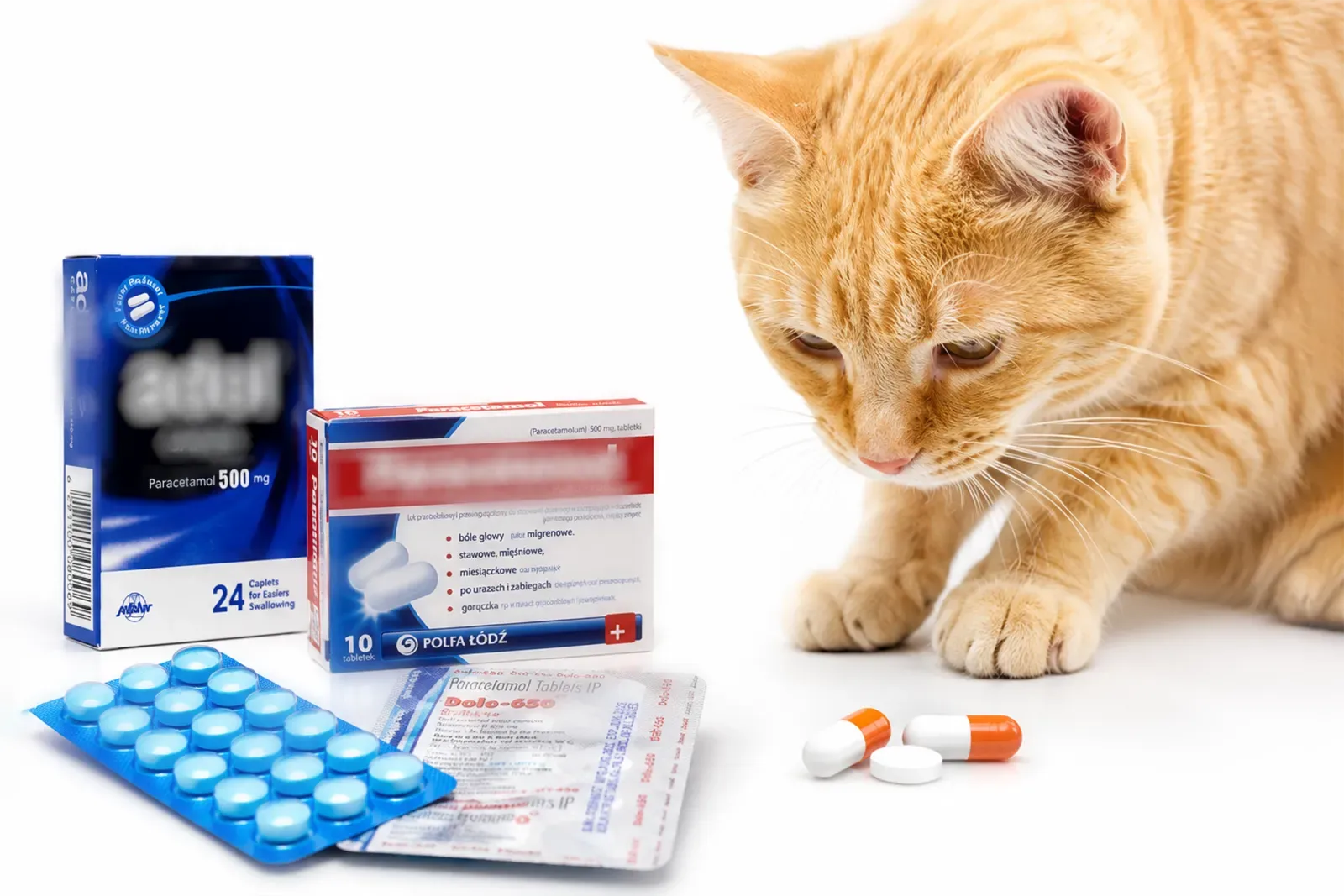
Paracetamol (acetaminophen) is a common human pain and fever medicine that can be seriously toxic to dogs and cats, and cats are affected by even a very small amount. Parkview Pet Center, established in Doha in 2011, assesses dogs and cats in Madinat Khalifa North after known or suspected medication exposure, and its after-hours on-call service means an owner does not have to wait until morning to reach a veterinarian. A pet can look normal in the hours after exposure, so appearance alone should never be used to decide whether veterinary care is needed. If a paracetamol exposure is known or suspected, veterinary advice should be sought straightaway rather than waiting for symptoms.
Is Paracetamol Toxic to Cats?
Yes. Paracetamol is highly toxic to cats, and it should never be given to them for any reason, including pain, fever, or a cold.
Cats process paracetamol differently from humans and dogs. Their liver has only limited activity in a pathway called glucuronidation, which is one of the main routes the body normally uses to break the medication down safely. When that pathway cannot keep up, harmful compounds build up instead, and those compounds damage red blood cells and liver tissue.
Vomiting or appetite loss
repeated vomiting, or a sudden reluctance to eat, in the hours after exposure
Weakness or collapse
severe tiredness, wobbliness, or collapse
Breathing difficulty
rapid, shallow, or labored breathing
Gum color change
gums that look pale, blue, gray, or muddy brown instead of a healthy pink
Facial or paw swelling
swelling around the face, lips, or paws, sometimes appearing within hours
Dark urine or yellowing
unusually dark urine, or a yellow tinge to the eyes, gums, or skin
Methemoglobinemia
One of the more serious effects of paracetamol toxicity in cats is methemoglobinemia, a condition in which hemoglobin loses its normal ability to carry oxygen. This is what produces the pale, blue, gray, or muddy-brown gum color that owners sometimes notice, along with weakness and labored breathing. A cat can look completely normal in the first hours after exposure even while this process is already underway, which is why appearance alone is not a safe way to judge whether a cat needs to be seen.
The short video below covers the essentials of why paracetamol is unsafe for pets. It is a useful starting point, and the sections that follow go into the specific signs and steps for cats and dogs.
Can I Give Paracetamol to My Dog?
Not unless a veterinarian has specifically prescribed it for that individual dog.
Dogs metabolize paracetamol differently from cats, but that difference does not make a human tablet safe to give at home. The risk depends on the dog’s size, health, other medications, the product involved, and how much may have been swallowed — all things a veterinarian needs to know before deciding whether, and how, to treat it. Paracetamol toxicity in dogs can cause liver injury, and in more serious cases it can also affect red blood cells and the blood’s ability to carry oxygen.
Vomiting or stomach upset
vomiting, drooling, or a reluctance to eat
Lethargy or weakness
unusual tiredness or reduced energy
Breathing changes
rapid or labored breathing
Gum color change
gums that look pale, blue, or brownish
Yellowing of the eyes or gums
a yellow tinge that can signal liver involvement
Abdominal discomfort
a tense or painful abdomen, or reluctance to be touched there
If a dog is limping, seems painful, or is simply not acting like themselves, the safer step is to have the cause assessed rather than reaching for a tablet from a household medicine cabinet. A medication that helped a previous pet, or that is safe for a person, is not automatically safe for this dog.
My Pet Ate Paracetamol but Looks Fine — What Should I Do?
Contact a veterinarian immediately. Do not wait for symptoms to appear.
Remove any remaining medication
Move any tablets, blister packs, or open bottles out of reach so the pet cannot swallow more.
Keep the packaging
Hold onto the box, blister pack, or bottle. The exact product, strength, and whether it contains other active ingredients all matter.
Contact a veterinarian right away
Call during opening hours, or use the after-hours on-call line if it happens outside those hours. Describe what may have been swallowed, roughly how much, and when.
Do not attempt home treatment
Do not give food, water, activated charcoal, or another medication as a home remedy unless a veterinarian specifically tells you to.
Parkview Pet Center’s veterinary consultations team can assess a dog or cat after a known or suspected paracetamol exposure, even before any symptoms appear.
Why Is Paracetamol More Dangerous for Cats?
The difference comes down to how each species processes the medication in the liver.
Humans use several liver pathways to break paracetamol down and clear it from the body. Cats have much lower activity in one of the main pathways involved, called glucuronidation, so a larger share of the dose is pushed through a different route that produces harmful byproducts instead. Those byproducts are what damage red blood cells and liver cells, and because cats have so little spare capacity in the safer pathway, even a small dose can overwhelm it.
This is also why paracetamol cannot simply be given at a smaller dose for a smaller body. The problem in cats is not really about quantity — it is that an important route for processing the drug safely is largely unavailable to them, at almost any dose.
How Is Paracetamol Toxicity Treated?
Treatment depends on the species, the suspected exposure, how much time has passed, and the animal’s condition on examination.
Diagnostic blood testing
Bloodwork checks red blood cells, liver values, and other markers, which shows how the medication has affected the body and guides the rest of the treatment plan.
Fluid and oxygen support
Intravenous fluids, and supplemental oxygen when needed, help support a pet whose blood is having difficulty carrying oxygen normally.
Medications that limit toxic effects
Specific veterinary medications can help limit the toxic effects of paracetamol and support the body’s own detoxification pathways.
Hospitalization and monitoring
Dogs and cats with more serious signs, or a larger suspected exposure, may need inpatient monitoring until their condition stabilizes.
What This Looks Like in Practice
Not every case needs every one of these measures. A veterinarian decides which combination applies after examining the pet and reviewing the details of the exposure, and Parkview Pet Center can arrange the bloodwork, fluid support, and monitoring described above as part of that assessment.
What Can I Give My Dog or Cat for Pain Instead?
The safest first step is finding out why the pet is painful, not reaching for a medicine cabinet.
Injuries
A fall, bite wound, or blunt trauma can cause pain that needs its own assessment, and sometimes imaging, before any treatment is chosen.
Arthritis
Ongoing joint pain in older pets is usually managed with a long-term plan suited to that pet, not a single dose of a human painkiller.
Dental disease
Mouth pain from dental disease often needs a dental examination, and sometimes treatment under anesthesia, rather than pain relief alone.
Urinary problems
Straining, discomfort, or blood in the urine can point to a urinary condition that needs its own diagnosis and treatment.
Abdominal disease
Abdominal pain can have many causes, some of them urgent, and needs an examination rather than a guess at the cause.
Back or spinal conditions
Spinal pain can range from mild strain to a condition that needs urgent veterinary attention, and the two can look similar to an owner.
A veterinarian chooses pain treatment based on the animal’s species, the diagnosis, their general health, and any other medications they are taking. A medicine that suited a person, or that was prescribed for a different pet in the past, is not automatically the right choice for the dog or cat in front of you now.
When to See a Veterinarian
Signs That Need Urgent Attention
Seek immediate veterinary care if a dog or cat shows:
How Can Paracetamol Poisoning Be Prevented?
Most paracetamol exposures happen because a tablet was within reach, not because an owner gave it deliberately.
Store all human medication, including paracetamol, somewhere a dog or cat cannot reach or chew into
Check the label of any cold, flu, or combination pain product before it is left within reach — paracetamol is often one of several active ingredients
Never give a dog or cat human medication without first speaking to a veterinarian
Keep the original packaging until any accidental exposure is fully resolved, in case a veterinarian needs to identify the product
Ask visitors and family members not to leave loose tablets on tables, nightstands, or in bags a pet can reach
If a dog or cat may have swallowed paracetamol, or is showing any of the signs above, book a veterinary consultation at Parkview Pet Center rather than waiting to see if symptoms develop.
Share this article
Frequently Asked Questions
Answers to the most common questions
1 Can I give my dog paracetamol for pain?
Only if a veterinarian has specifically prescribed it for that individual dog. Paracetamol carries a real risk of liver injury and effects on red blood cells, and the safe approach depends on factors a veterinarian needs to assess directly. Giving it based on a previous prescription, a guess, or advice meant for a different pet is not safe.
2 What should I do if my cat ate paracetamol?
Contact a veterinarian immediately, even if the cat looks completely normal. Keep the packaging so the exact product and strength can be identified, and be ready to say roughly how much may be missing and when it happened. Cats are highly sensitive to paracetamol, so this is never a wait-and-see situation.
3 My pet swallowed paracetamol but shows no symptoms. Can I wait and see?
No. A dog or cat can look completely normal for hours after swallowing paracetamol while the medication is already affecting the liver or red blood cells. Call Parkview Pet Center on +974 4417 1560 during opening hours, or the after-hours on-call line on +974 5509 9494, as soon as the exposure is known or suspected.
4 What are the warning signs of paracetamol toxicity in dogs and cats?
Watch for pale, blue, gray, or brownish gums, rapid or labored breathing, marked weakness, swelling of the face or paws, repeated vomiting, dark urine, and yellowing of the eyes, gums, or skin. Any of these signs after a known or suspected paracetamol exposure needs urgent veterinary attention, not home observation.
5 What can I safely give my dog or cat for pain instead of paracetamol?
There is no over-the-counter human medication that is safe to give a dog or cat without veterinary guidance. A veterinarian needs to identify why the pet is painful — an injury, arthritis, dental disease, or something else — before choosing a treatment that suits that species, that individual pet, and that cause.
Related Services
Other services you may need

Written by
Dr. Alessandro MagnoMV, MSc, Senior Veterinarian • Internal Medicine, Anesthesiology & TIVA, Pain Management
Part of the veterinary team at Parkview Pet Center, Madinat Khalifa North, Doha, Qatar.
View full profileConcerned About Your Pet?
Book a consultation with our veterinary team in Doha.