
Ringworm in Dogs & Cats in Qatar: Signs, Treatment & Prevention
Medically reviewed• Updated
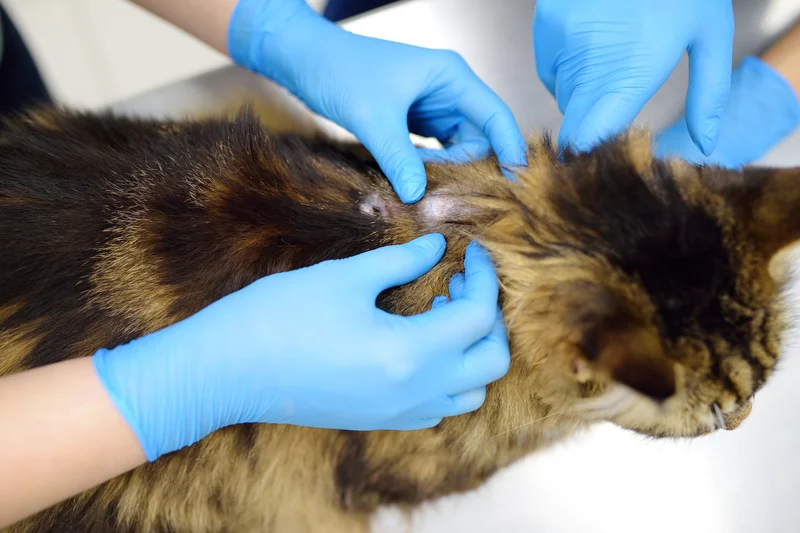
Ringworm is one of the most common fungal skin infections we treat at Parkview Pet Center in Madinat Khalifa North, Doha, Qatar. Despite the name, ringworm is not caused by a worm — it’s a fungal infection caused by dermatophyte fungi that invade the skin, hair, and sometimes nails of dogs and cats. Qatar’s hot, humid climate creates ideal conditions for these fungi to thrive, and the infection spreads easily between pets and to humans. Parkview Pet Center maintains a dedicated ringworm isolation ward — a facility not commonly found in veterinary clinics in Qatar — because proper isolation during treatment is essential to prevent household-wide contamination and protect your family.
What Is Ringworm?
Ringworm (dermatophytosis) is a fungal infection — not a parasite. The most common species affecting pets in Qatar are Microsporum canis, Microsporum gypseum, and Trichophyton mentagrophytes. The fungi feed on keratin in the skin and hair, causing characteristic circular lesions, hair loss, and skin irritation.
Circular hair loss
round or irregular patches of hair loss, often on the head, ears, or limbs
Crusty or scaly skin
dry, flaky, or crusty patches around the edges of bald spots
Redness and inflammation
irritated, reddened skin at the site of lesions
Brittle or broken hairs
hairs that snap off at the skin surface, creating a stubbly appearance
Itching and scratching
mild to moderate itchiness, though some pets show no discomfort at all
Asymptomatic carriers
Cats are frequently asymptomatic carriers of ringworm — they can harbour and shed fungal spores without showing any visible signs of infection. This is why fungal culture testing is important when a new cat enters a multi-pet household, even if the cat appears healthy. Long-haired cats are particularly prone to carrying spores undetected.
Why Ringworm Is Common in Qatar
Several factors make Qatar a particularly high-risk environment for ringworm in dogs and cats.
Climate and environment
Qatar’s hot, humid conditions are ideal for dermatophyte fungi. High temperatures and moisture accelerate fungal growth on skin and in the environment, making ringworm more persistent and harder to eliminate without proper treatment.
Rescue and adoption patterns
Qatar’s active rescue and adoption community means many pets come from shelters, street environments, or multi-animal foster homes where ringworm exposure is common. New pets may carry fungal spores without showing visible symptoms.
Multi-pet households
Many families in Qatar keep multiple dogs and cats together. Ringworm spreads easily through direct contact and shared bedding, toys, and furniture. One infected pet can quickly transmit the fungus to every animal in the household.
Breed and age factors
Kittens, puppies, and long-haired breeds are more susceptible to ringworm. Young animals have developing immune systems, and long coats can harbour fungal spores. These populations are well represented among pets in Doha.
Ringworm Can Spread to Humans
Ringworm is zoonotic — it passes between animals and people.
Human transmission risk
Ringworm spreads to humans through direct contact with an infected pet or contaminated surfaces such as bedding, furniture, and grooming tools. Children, elderly individuals, and immunocompromised people are at highest risk. In humans, ringworm appears as red, circular, itchy patches on the skin. If your pet is diagnosed with ringworm, consult your doctor for family members showing skin lesions. Proper treatment of the pet and environmental decontamination are essential to protect your household.
How Ringworm Is Diagnosed
Accurate diagnosis requires more than a visual examination. At Parkview Pet Center, we use a multi-step approach:
Wood’s lamp examination
A Wood’s lamp emits ultraviolet light that causes certain strains of the ringworm fungus (Microsporum canis) to fluoresce a characteristic apple-green colour. This provides a quick initial screening, but only about 50% of ringworm cases fluoresce, so a negative result does not rule out infection.
Direct microscopy
Hair samples from the edges of lesions are examined under the microscope. We look for fungal spores (arthrospores) surrounding the hair shaft — a pattern called ectothrix infection. This can provide a rapid presumptive diagnosis during the same visit.
Fungal culture
The definitive diagnostic test. Hair and skin samples are placed on dermatophyte test medium (DTM) and monitored over 7–21 days for fungal growth. Culture identifies the exact species of fungus and is also used to confirm cure at the end of treatment — two consecutive negative cultures are required before stopping medication.
Ringworm Treatment
Effective ringworm treatment requires a combination of oral medication, topical therapy, and environmental decontamination:
Oral antifungal medication
Systemic antifungal drugs such as itraconazole or terbinafine are the backbone of ringworm treatment. Oral medication treats the infection from within, reaching fungal spores that topical treatment alone cannot eliminate. Treatment duration is typically six to twelve weeks.
Medicated baths and dips
Topical antifungal shampoos or lime sulphur dips are used alongside oral medication to reduce fungal spores on the coat and skin. This limits environmental contamination and speeds resolution. Baths are typically given twice weekly throughout the treatment course.
Environmental decontamination
Fungal spores can survive in the environment for up to 18 months. Thorough environmental cleaning is essential to prevent reinfection.
- Wash all bedding, blankets, and soft furnishings in hot water
- Vacuum carpets, rugs, and upholstered furniture daily
- Disinfect hard surfaces with a diluted bleach solution
- Dispose of or thoroughly clean grooming tools
- Restrict the infected pet to easy-to-clean areas
Treatment-resistant cases
Some ringworm infections do not respond to first-line treatment, particularly in immunocompromised pets or in households with heavy environmental contamination. In these cases, we adjust the antifungal protocol, intensify environmental decontamination, and investigate underlying conditions that may be impairing the pet’s immune response.
Follow-up cultures are essential
Treatment is not complete when the skin looks better. We require two consecutive negative fungal cultures before confirming the infection has cleared. Stopping treatment too early is the most common reason ringworm returns — and when it returns, it recontaminates your home and puts your family at risk. Book your follow-up appointment online or call +974 4417 1560.
Isolation and Home Care During Treatment
Proper isolation prevents ringworm from spreading to other pets and family members. Parkview Pet Center maintains a dedicated ringworm isolation ward for in-clinic cases, and we recommend these measures for home care:
Confine the infected pet to a single, easy-to-clean room with hard flooring if possible
Wash your hands thoroughly after handling the infected pet
Wear gloves when applying topical treatments
Keep the infected pet separated from other animals and young children
Wash the pet’s bedding and blankets separately in hot water at least twice weekly
Vacuum the isolation area daily and dispose of the vacuum bag or empty the canister outside
Do not allow the infected pet on upholstered furniture or carpeted areas
Preventing Ringworm in Qatar
Prevention focuses on reducing exposure and catching infections early:
Quarantine new pets
Isolate newly adopted or rescued pets for at least two to three weeks before introducing them to other animals. A veterinary check-up during this period can identify ringworm before it spreads.
Regular vet check-ups
Routine veterinary examinations catch skin conditions early, before they become established infections. This is especially important for kittens, puppies, and pets from shelters or multi-animal environments.
Learn moreDon’t share grooming tools
Brushes, combs, and grooming equipment can transfer fungal spores between animals. Each pet should have their own grooming kit, and tools should be cleaned and disinfected regularly.
Learn moreClean environment
Regular vacuuming, washing pet bedding in hot water, and disinfecting surfaces reduces environmental fungal spore load. In Qatar’s climate, where windows are often closed due to heat, indoor environments can accumulate spores more readily.
Caution at dog parks and boarding
Ringworm can spread at dog parks, boarding facilities, and groomers through shared spaces and equipment. Choose facilities with good hygiene practices, and inspect your pet for new skin lesions after visits.
When to See a Veterinarian
Ringworm does not resolve on its own and worsens without treatment. Seek veterinary attention promptly.
Book a consultation if you notice:
- Circular patches of hair loss on your dog or cat
- Crusty, scaly, or reddened skin lesions
- A family member developing red, circular skin patches after contact with a pet
- A newly adopted pet with any skin abnormalities
- Ringworm that is not improving despite home treatment attempts
Call +974 4417 1560 to book a dermatology consultation at Parkview Pet Center in Doha.
If your dog or cat is showing signs of ringworm, or if you’ve recently adopted a pet and want a fungal screening, book a dermatology consultation at Parkview Pet Center. Our dedicated ringworm isolation ward and in-house diagnostics mean your pet receives proper treatment from day one.
Share this article
Frequently Asked Questions
Answers to the most common questions
1 Is ringworm in dogs and cats contagious to humans?
Yes. Ringworm is a zoonotic fungal infection that can spread from pets to humans through direct contact with an infected animal or contaminated surfaces. Children, elderly individuals, and people with weakened immune systems are at higher risk. If your pet is diagnosed with ringworm at Parkview Pet Center in Doha, we provide guidance on protecting your family during treatment. Call +974 4417 1560.
2 How long does ringworm treatment take in dogs and cats?
Ringworm treatment typically takes six to twelve weeks, depending on the severity of infection and how well the pet responds to medication. Treatment includes oral antifungal medication, medicated baths, and environmental decontamination. Two consecutive negative fungal cultures are required before treatment is considered complete. Stopping treatment early based on visual improvement alone risks relapse.
3 Can ringworm spread between dogs and cats in the same household?
Yes. Ringworm spreads easily between dogs and cats living in the same household through direct contact and shared environments. Fungal spores can survive on furniture, bedding, grooming tools, and carpet for months. If one pet is diagnosed, all animals in the household should be examined. Parkview Pet Center provides multi-pet household management plans. Call +974 4417 1560.
4 Why is ringworm common in pets in Qatar?
Qatar’s hot, humid climate creates ideal conditions for dermatophyte fungi to thrive. High temperatures and moisture accelerate fungal growth on skin and in the environment. Additionally, Qatar’s active rescue and adoption community means pets from shelters or multi-animal environments may carry ringworm spores without showing symptoms. Regular veterinary check-ups at Parkview Pet Center help catch infections early.
5 How do I know if my pet’s ringworm is gone?
Visual improvement alone does not confirm that ringworm infection has resolved. Fungal spores can persist on the skin and in the environment even after lesions appear healed. At Parkview Pet Center, we require two consecutive negative fungal cultures, taken at intervals, before confirming the infection is cleared and discontinuing treatment. This prevents relapse and protects other pets and family members.
Related Services
Other services you may need

Written by
Dr. Julieta CavalcanteDVM, Veterinarian • Dermatology, Dental Care & Stomatology, Neurology
Part of the veterinary team at Parkview Pet Center, Madinat Khalifa North, Doha, Qatar.
View full profileConcerned About Your Pet?
Book a consultation with our veterinary team in Doha.