
Senior Pet Care in Doha: Changes to Watch in Older Dogs and Cats
Medically reviewed · • Updated
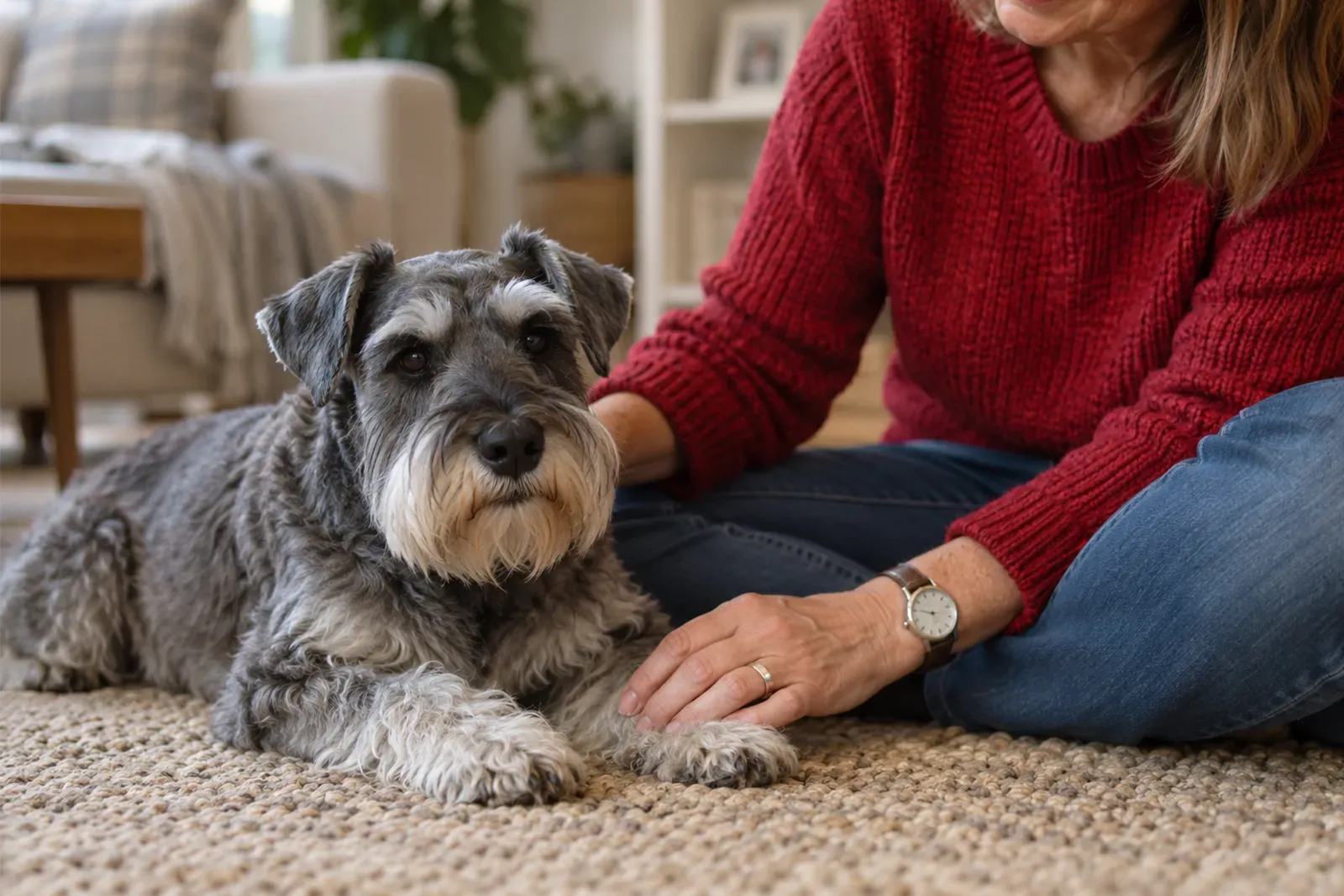
Parkview Pet Center in Madinat Khalifa North, Doha, Qatar, offers senior wellness consultations for aging dogs and cats, built around a full physical examination and, when indicated, blood and urine testing. Slowing down is not always simply part of getting older: a slower walk, hesitation before a jump, a change in thirst, appetite, sleep, or temperament can be an early sign of pain or an underlying medical problem rather than age itself. Dogs reach the senior stage at different points depending on their size, breed, and individual health, while cats are generally considered senior once they pass ten years old. In Doha, reduced outdoor activity during the hottest months can make changes in mobility, weight, and muscle condition harder for an owner to notice, which is why a persistent change is worth a veterinary assessment rather than an explanation of age.
When Is a Dog or Cat Considered Senior?
There is no single birthday when a pet becomes senior; size, breed, and individual health decide it as much as age does.
For dogs, aging varies considerably by size, breed, expected lifespan, and medical history, so two dogs of the same age can have very different care needs — a large breed generally reaches the later stages of life earlier than a small one. Cats are generally considered senior once they pass ten years old, though that too is only a starting point.
Age is only one part of the picture. Body condition, muscle mass, mobility, medical history, behavior, appetite, and everyday comfort say more about how an individual pet is aging than a birthday does.
For a quick overview of the changes worth watching for as a pet gets older, watch the video below.
What Small Changes Should Owners Watch For?
The early signs of discomfort in an older pet are often subtle. The question is not how dramatic a behavior looks, but whether it has changed from what is normal for that individual pet.
Slower walks or stiffness
tiring sooner on a walk, or stiffness after resting
Reluctance to jump or use stairs
hesitating before a favorite chair, the car, or the stairs
Weight change
losing or gaining weight without an obvious reason
Increased thirst
drinking noticeably more than usual
Appetite change
eating more, eating less, or approaching food and walking away
New irritability or restlessness
reluctance to be touched, or unsettled nights
A cat that quietly stops jumping onto a favorite windowsill may be in discomfort even without an obvious limp, and a dog that takes longer to stand after resting may be showing an early mobility problem rather than simply getting old. Because these changes build slowly, they are easy to miss day to day, and easier to spot once someone points them out.
When a Change Cannot Wait
Most senior-care concerns can be assessed at a planned consultation, but a sudden or severe change should not be treated as routine aging.
Seek Veterinary Care Promptly
A sudden or severe change deserves same-day assessment, even in a pet who has otherwise been healthy:
What Should You Check at Home?
Owners do not need to diagnose the problem themselves. The most useful thing they can do is notice, and write down, what has changed.
Note whether the change appeared suddenly or has built up gradually over weeks or months.
A short video of stiffness, stair difficulty, unusual walking, coughing, or nighttime restlessness can show a veterinarian something a single consultation might miss.
Note whether your pet is eating more, eating less, approaching food and walking away, or struggling to chew.
Changes in water intake, or in litter tray or toilet habits, can be an important diagnostic clue.
Unexplained weight loss or gain is worth attention even when appetite looks normal.
Look for difficulty jumping, using stairs, getting into the car, or standing up after rest.
New anxiety, irritability, nighttime restlessness, confusion, or reduced interest in family interaction is worth mentioning at the appointment.
Notes, photos, or a short video of what has changed give a veterinarian something to compare against, rather than a single snapshot taken in the consultation room, where a sore pet often manages to look fine for a few minutes.
Why Regular Senior Wellness Exams Matter
Senior veterinary care is not only about treating illness once a pet is obviously unwell; it is about comparing a pet against their own baseline over time.
In Dr. Magno's words
“Senior pets need careful attention to their joints, teeth, heart, liver, kidneys, nutrition, and behavior — just as people need more health monitoring as they age.”
A small change can look unremarkable at a single appointment, and the same change repeated across several visits can be far more informative. That is why a senior wellness exam is built around comparison over time rather than a single pass or fail, and why the exact plan is individualized rather than set by age alone.
Body weight and condition
Weight and muscle condition are compared against the pet's own history, not a general chart, since loss can be gradual enough to miss without a record.
Joints and mobility
Gait, joint comfort, and muscle mass around the limbs are checked for stiffness or weakness an owner may already have noticed at home.
Teeth and oral health
Dental disease is a common and often painful source of discomfort in older pets, and it is frequently missed until an exam looks for it directly.
Heart and lungs
A heart murmur or a change in breathing effort can develop gradually and is often first found on a routine listen rather than reported by the owner.
Skin and new lumps
The skin and coat are checked for new lumps, which are then followed over time to see whether they are changing.
Behavior and cognition
Confusion, altered sleep, or withdrawal are assessed alongside the physical findings, since a cognitive change can have a medical cause behind it.
Why Blood Work and Urine Testing May Be Recommended
A physical exam provides real information, but some changes in an older pet are only visible in blood and urine.
Assesses red and white blood cells and other blood changes.
Assesses kidney and liver function, blood sugar, proteins, and electrolytes.
Adds information about kidney function, urinary health, and hydration.
Measured when clinically appropriate in an older pet.
Particularly relevant in senior cats.
Used when an exam finding or a symptom suggests imaging would help.
Parkview Pet Center's diagnostics service in Madinat Khalifa North supports this kind of testing when an exam finding or a symptom calls for it, and a wellness screening every six to twelve months is a reasonable interval for many senior dogs and cats. A pet already being monitored for a diagnosed condition may need a different schedule, set by their own veterinarian rather than by a general rule.
Nutrition and Behavior Are Part of the Picture Too
Reaching a particular age does not automatically mean a dog or cat needs food labeled senior, and a change in temperament is not automatically a personality change either.
Nutrition works best individualized, not by birthday:
Weight and body condition
Current weight and body condition shape whether a diet needs adjusting at all.
Muscle condition and activity
Muscle mass and how active a pet still is affect calorie and protein needs.
Dental health
A sore mouth can make a texture change more useful than a formula change.
Medical history
An existing diagnosis often points toward a specific therapeutic diet rather than a generic senior formula.
Current diet and preference
What a pet already eats, and will actually eat, is part of any workable plan.
Some older pets need adjustments to calories, texture, or feeding routine, and a pet with a diagnosed condition may do better on a specific therapeutic diet; other healthy seniors carry on well on the diet they already eat. A nutritional assessment is more useful than a diet change made only because of a birthday.
Behavior changes are health information too:
Pain or reduced mobility
Discomfort that is not obviously a limp can still show up as irritability or reluctance to be touched.
Hearing or vision changes
A pet that seems startled or withdrawn may be responding to senses that have quietly declined.
An underlying medical condition
Pain, nausea, or metabolic disease can all change temperament well before other signs appear.
Sleep disruption
A pet that is not resting well overnight is often more irritable and less tolerant during the day.
Age-related cognitive change
Confusion, disorientation, or altered social interest can be a cognitive change in its own right, and it deserves the same assessment as a physical one.
Because several of these causes are medical rather than purely behavioral, a change in temperament, sleep, or sociability is worth raising at a wellness visit before it is written off as simply getting older.
Comfort at Home, and Doha's Climate
Simple changes around the house make everyday movement easier for an aging pet, and Doha's climate adds a few of its own.
Add soft, supportive bedding
Lay nonslip rugs or mats over smooth flooring
Add steps or a ramp to a favorite resting place
Use a low-entry litter tray for a cat with reduced mobility
Keep food and water bowls within easy reach
Set out several water stations around the home
Keep exercise gentle and matched to your pet's mobility
Keep frequently used areas free of repeated stairs or jumps
During Qatar's hottest months, move a dog's walks to the cooler parts of the day and let their mobility, breathing, and fitness set the pace rather than the clock. A pet spending more time indoors in air conditioning still needs their weight, muscle condition, and activity watched, and a short indoor play session or food puzzle keeps them moving when a longer walk outdoors is not realistic. Older pets also adapt less easily to sudden change, so keeping food, water, and toileting areas in the same familiar place matters more than it once did.
When Should a Senior Pet See a Veterinarian?
Most of the changes above are worth a planned assessment rather than a wait-and-see approach.
Arrange a consultation for a persistent change in:
- Mobility or exercise tolerance
- Appetite or weight
- Drinking, urination, or bowel habits
- Sleep or nighttime restlessness
- Behavior or social interaction
- Breathing
- Dental comfort or chewing
- Grooming, especially in cats
Call +974 4417 1560 to book a senior wellness consultation at Parkview Pet Center in Madinat Khalifa North, Doha.
A veterinary consultation is the right starting point for any of these changes.
Senior care works best early. Identifying a developing problem while it is still manageable leaves more room to investigate the cause, ease discomfort, and plan ongoing care around the individual pet.
If your dog or cat is entering their senior years, or you have noticed a change in mobility, appetite, drinking, weight, behavior, or daily routine, book a senior wellness consultation at Parkview Pet Center in Madinat Khalifa North, Doha.
Share this article
Frequently Asked Questions
Answers to the most common questions
1 How do I know if my older dog is slowing down because of age or because of pain?
Look at what has changed from your dog's own normal routine rather than comparing them to another dog. Stiffness after resting, reluctance on the stairs, a shorter walk, hesitation before jumping, or reduced interest in play can all justify a mobility and pain assessment. Aging itself should not be used as the explanation until treatable causes have been considered.
2 At what age is a cat considered senior?
Cats are generally considered senior after 10 years of age. However, healthcare decisions should also consider the individual cat's medical history, body and muscle condition, activity, behavior, and examination findings.
3 How often should my senior dog or cat have blood and urine tests?
There is no identical schedule for every pet. For many senior dogs and cats, a veterinary assessment and screening tests every 6-12 months may be appropriate. Pets with diagnosed medical conditions may need more frequent monitoring based on their veterinarian's recommendation.
4 Does my older dog or cat need senior food?
Not automatically. Senior nutrition should be individualized according to body condition, muscle mass, activity, medical history, dental health, and any diagnosed conditions. Some older pets benefit from a dietary change, while others can remain on their existing complete and balanced diet.
5 What changes in an older pet should I get checked?
Persistent changes in walking, jumping, eating, drinking, weight, toileting, sleeping, grooming, breathing, or behavior are worth discussing with a veterinarian. Sudden severe weakness, collapse, breathing difficulty, seizures, inability to pass urine, or sudden difficulty standing require more urgent veterinary attention — call +974 5509 9494 for a same-day concern like this.
Related Services
Other services you may need

Written by
Dr. Alessandro MagnoMV, MSc, Senior Veterinarian • Internal Medicine, Anesthesiology & TIVA, Pain Management
Part of the veterinary team at Parkview Pet Center, Madinat Khalifa North, Doha, Qatar.
View full profileConcerned About Your Pet?
Book a consultation with our veterinary team in Doha.