
Urinary Incontinence in Dogs After Spaying in Qatar
Medically reviewed• Updated
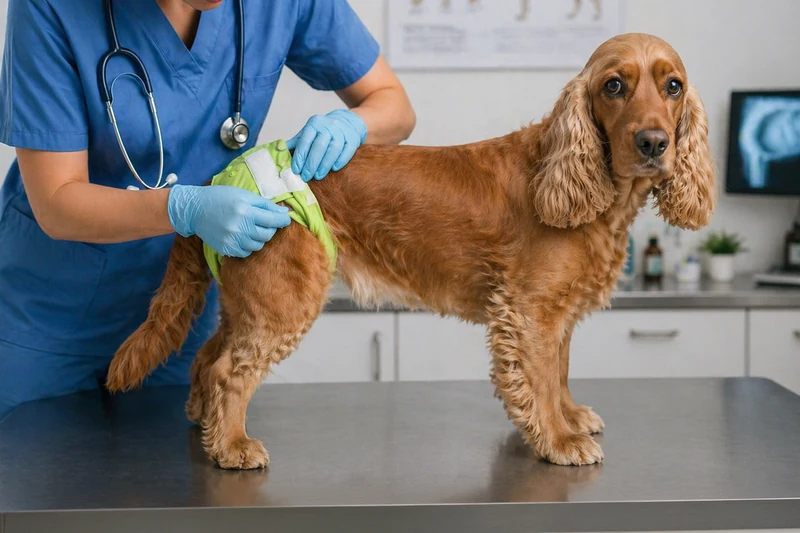
Urinary incontinence in adult dogs is a common concern in Qatar, and one of the most frequent causes is urethral sphincter mechanism incompetence, known as USMI — particularly in spayed female dogs. USMI is the weakening of the muscular sphincter that controls urine flow, typically developing within the first few years after spaying, with large-breed females most often affected. Parkview Pet Center in Madinat Khalifa North, Doha, Qatar has diagnosed and managed USMI in dogs since 2011. The condition is well recognised, reliably diagnosed through urinalysis and clinical examination, and in most cases effectively managed with medications that improve urethral sphincter tone. Most dogs respond well to treatment and maintain an excellent quality of life long-term. If your spayed dog has started leaking urine, a thorough veterinary evaluation at Parkview Pet Center determines the underlying cause and the right treatment plan.
What Is USMI?
Urinary continence in dogs depends on a coordinated system: a healthy bladder, intact nervous control, and a strong urethral sphincter. USMI — urethral sphincter mechanism incompetence — is the weakening of that sphincter. When the sphincter can no longer maintain enough pressure, urine leaks, most often while the dog is resting or asleep.
USMI is the single most common cause of acquired urinary incontinence in adult female dogs. It is not a behavioural issue, not a training problem, and does not reflect a lack of house-trained discipline. It is a physiological condition with identifiable causes and effective treatment.
Typical signs of USMI include:
Urine leaking during rest
Leakage while the dog is lying down or asleep; wet patches on bedding the dog does not notice.
Dribbling while walking
Intermittent dribbling of urine while standing or moving around.
Urine-stained hindquarters
A damp or stained coat around the vulva from chronic wetness.
Skin irritation
Redness, rash, or infection around the vulva caused by persistent urine contact.
Dogs with USMI are usually otherwise healthy, eat normally, drink normally, and urinate normally when awake. The leaking is involuntary and the dog is often unaware it is happening.
Why It Happens
Normal urinary control depends on proper urethral sphincter function. In some dogs this mechanism weakens over time. Several factors can contribute — often in combination — and Qatar's large-breed dog population means Parkview Pet Center's veterinary team sees USMI regularly.
Hormonal changes after spaying
Oestrogen supports urethral sphincter tone. After spaying, oestrogen levels drop and sphincter muscle tone can weaken over the following months or years. This is the most common driver of USMI and why the condition is strongly associated with spayed females.
Age
Sphincter muscle tone naturally declines with age. Middle-aged to senior dogs are more likely to develop USMI than younger dogs, though the condition can appear at any age after spaying.
Body size
Large-breed female dogs have a substantially higher risk than small breeds. Labrador Retrievers, Golden Retrievers, German Shepherds, Dobermans, Boxers, and Rottweilers — all well represented in Qatar — are commonly affected.
Bladder position
In some dogs the bladder sits further back in the pelvis than normal (a condition called pelvic bladder), which reduces the effective length of the urethra and makes continence harder to maintain.
Reduced urethral responsiveness
In some dogs the receptors in the urethra that respond to hormonal and neurological signals become less responsive with age, further reducing sphincter tone.
Risk varies between patients
Most dogs who are spayed never develop USMI. Those who do typically show signs within the first few years after surgery, though it can appear later in life.
Not All Incontinence Is USMI
USMI is the most common acquired cause of urine leakage in spayed female dogs — but not the only one. A full clinical workup rules out other causes before any USMI-specific treatment begins.
Urine leakage has multiple causes. A full workup is essential before treating.
Other causes to rule out:
Urinary tract infections
Bladder inflammation can cause urgency and leakage that mimics USMI. UTIs must be ruled out first.
Congenital abnormalities
Ectopic ureters — where the ureter empties outside the bladder — cause incontinence from a very young age and are more common in certain breeds.
Bladder stones
Stones can irritate the bladder wall and cause urgency or overflow incontinence.
Neurological conditions
Spinal cord injuries, disc disease, or nerve damage can disrupt bladder control.
Cushing’s disease and diabetes
Both cause excessive thirst and urination, which can overwhelm bladder capacity and lead to leakage.
Certain medications
Corticosteroids and diuretics increase urine production and can contribute to incontinence.
Should You Still Spay Your Dog?
This is the question every owner asks once they learn about USMI. The short answer is yes — spaying remains one of the most important decisions for your dog's long-term health, and the benefits substantially outweigh the risks.
Key benefits of spaying include:
Prevention of pyometra
A life-threatening uterine infection that requires emergency surgery. Pyometra is common in unspayed middle-aged and older female dogs in Qatar, and it can be fatal without urgent treatment.
Reduced mammary tumour risk
Especially when spaying is performed before the first or second heat cycle. Mammary tumours are the most common tumour type in unspayed female dogs and a significant proportion are malignant.
Prevention of ovarian and uterine cancers
Spaying eliminates the risk entirely.
Population control
Qatar’s active rescue community manages a significant stray and abandoned pet population. Preventing unplanned litters is a practical contribution to animal welfare in the country.
Behavioural stability
Spayed females do not go through heat cycles, which eliminates hormone-driven restlessness, behaviour changes, and the attention of intact male dogs.
Risk framing
USMI is a possible side effect, but it is generally far less severe and far more manageable than pyometra or mammary cancer. USMI is treatable; pyometra requires emergency surgery that may not be survivable.
Timing matters
Not every dog carries the same risk. At Parkview Pet Center, breed, body size, and lifestyle are considered when recommending the optimal timing for spaying. For large-breed females with a higher USMI risk, delaying spaying until after the first heat is an option that some veterinarians recommend — though that must be weighed against the increased risk of mammary tumours that comes with later spaying. The right decision is individual. Learn more about spaying and veterinary surgery at Parkview Pet Center.
How It's Diagnosed
Accurate diagnosis is the first step, because USMI treatment is prescribed only after other causes of incontinence have been ruled out. Parkview Pet Center follows a structured diagnostic approach:
Clinical history and examination
A detailed history first: when the leaking started, whether it happens during rest or activity, whether the dog was spayed and at what age, drinking and urination patterns, and any medications in use. Physical examination assesses the abdomen, external genitalia, and neurological function. Book a thorough workup via a veterinary consultation.
Urinalysis and urine culture
A urine sample is tested for infection, crystals, blood, concentration, and pH. Urine culture identifies bacterial infections that require antibiotic treatment before any USMI medication is considered — infections can cause or worsen incontinence and must be addressed first. Parkview Pet Center’s in-house laboratory returns results during the same visit.
Blood work
Complete blood count and biochemistry panels screen for Cushing’s disease, diabetes, kidney disease, and other systemic conditions that can contribute to incontinence.
Imaging (when indicated)
Abdominal ultrasound or radiographs assess bladder shape, position, and wall thickness, and rule out bladder stones, tumours, or anatomical abnormalities such as ectopic ureters.
Diagnosis of USMI
Once infection, metabolic disease, and anatomical causes are ruled out in a spayed female dog with classic leaking patterns, USMI is the working diagnosis. Treatment response confirms it — dogs with USMI typically respond within one to two weeks of starting appropriate medication.
How It's Managed
The majority of dogs with USMI respond well to treatment. Management has three components:
Medical management
Medications that improve urethral sphincter tone are the first-line treatment for USMI. They strengthen the muscular closure of the urethra, restoring continence in most dogs within one to two weeks. Treatment is long-term, usually for life, but side effects are uncommon and most dogs tolerate it well. Hormonal supplementation is sometimes added for dogs that do not fully respond to first-line treatment.
Weight management
Overweight dogs have increased abdominal pressure, which worsens urinary leakage. Weight control is an important non-medical component of USMI management, particularly for large-breed dogs.
Surgical or interventional options
For the small number of dogs that do not respond adequately to medical management, surgical or minimally invasive options exist — including bulking agent injections at the urethral sphincter or colposuspension surgery. Considered only after medical management has been fully explored.
Long-term outlook
Control is typically stable and predictable. Most dogs with USMI live normal, happy, active lives on routine medication and regular veterinary monitoring. Parkview Pet Center's internal medicine service coordinates long-term USMI management, follow-up urinalysis, and medication adjustments as the dog ages.
Parkview's Approach
Parkview Pet Center takes an individualised, patient-centred approach to both spaying decisions and USMI management.
Individualised spay timing
Breed, size, age, and lifestyle are considered when discussing the right timing for spaying.
Workup before treatment
Every dog presenting with incontinence receives a full diagnostic workup before treatment starts — USMI is not assumed.
Tailored and adjusted care
Treatment plans are tailored and continuously adjusted — starting dose, monitoring schedule, and long-term follow-up adapt to each patient’s response as the dog ages.
Same-visit diagnostics
Parkview Pet Center’s in-house laboratory returns urinalysis and blood work results during the same visit, which means diagnosis and treatment planning happen without delays.
The goal is simple: maximise the benefits of spaying, minimise the risks, and provide early diagnosis and effective management when USMI develops.
When to See a Vet
Urinary incontinence is not normal. Early diagnosis matters.
Don't wait if you notice:
If your spayed dog has started leaking urine, or you'd like to talk through the best spaying timing for your puppy or young adult dog, book an appointment with Dr. Luis Pena and the Parkview Pet Center team. Diagnosis and treatment planning happen in a single visit, with in-house urinalysis and blood work returned the same day.
Share this article
Frequently Asked Questions
Answers to the most common questions
1 What is USMI in dogs?
USMI stands for urethral sphincter mechanism incompetence. It is the weakening of the muscular sphincter that controls urine flow out of the bladder, leading to involuntary urine leakage. USMI is the most common cause of acquired urinary incontinence in spayed female dogs and is most often seen in large-breed dogs.
2 Can urinary incontinence in spayed dogs be cured?
USMI is not cured but is very effectively managed. Most dogs respond to medications that improve urethral sphincter tone within one to two weeks of starting treatment. Treatment is typically lifelong, but most dogs tolerate it well and live normal, active lives. Parkview Pet Center in Doha, Qatar diagnoses and manages USMI routinely — call +974 4417 1560 for an appointment.
3 Should I avoid spaying my dog because of USMI risk?
No. Spaying prevents pyometra, a life-threatening uterine infection, and significantly reduces the risk of mammary tumours. These conditions are far more serious than USMI. USMI is manageable long-term; pyometra is a surgical emergency. The right approach is to spay your dog and to have any later incontinence evaluated promptly. Parkview Pet Center can advise on the best timing for your dog.
4 What age do spayed dogs develop USMI?
USMI most commonly develops within the first few years after spaying, though it can appear at any age. Large-breed dogs (Labradors, Golden Retrievers, German Shepherds, Dobermans, Boxers, Rottweilers) are at higher risk. Middle-aged and senior dogs are more likely to develop USMI than younger dogs, as natural sphincter tone also declines with age.
5 When should I see a vet about my dog leaking urine?
Any dog leaking urine — spayed or not, young or old — should be evaluated promptly. Urinary incontinence can have many causes, including infections, bladder stones, hormonal conditions, and neurological problems, in addition to USMI. Starting treatment without a diagnosis risks missing a more serious underlying condition. Call Parkview Pet Center on +974 4417 1560 or book online at parkviewpetcenter.com/booking.
Related Services
Other services you may need

Written by
Dr. Luis PenaDVM, Veterinary Surgeon • Soft Tissue Surgery, General Surgery, Gastrointestinal Medicine
Part of the veterinary team at Parkview Pet Center, Madinat Khalifa North, Doha, Qatar.
View full profileConcerned About Your Pet?
Book a consultation with our veterinary team in Doha.