
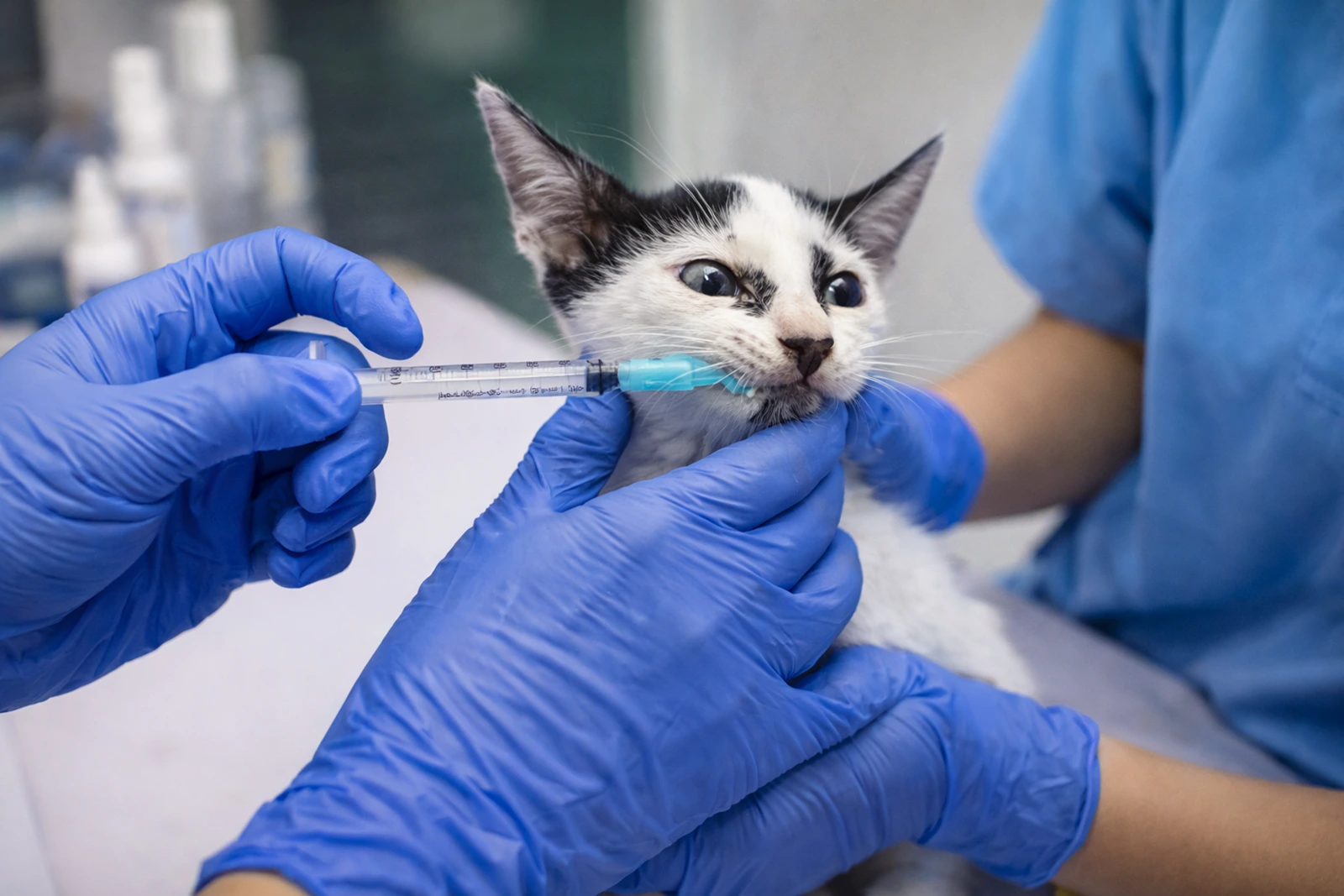
Pet Deworming in Doha, Qatar
In Qatar's warm climate, intestinal parasites remain active year-round — not just in summer — with no seasonal die-off to provide natural breaks in transmission. Parkview Pet Center in Madinat Khalifa North, Doha provides deworming programmes and parasite prevention for dogs and cats. The clinic administers deworming medication on-site or dispenses it from the on-site pharmacy for home use. In-house fecal analysis identifies the specific parasite type — roundworm, hookworm, tapeworm, whipworm, coccidia, or giardia — with results returned during the same visit. Regular deworming every 3 months is the standard recommendation for all pets in Doha, with more frequent treatment for puppies, kittens, and outdoor-access animals. Some intestinal parasites are zoonotic and transmissible to humans, particularly children. Established in 2011, open 7 days a week. Care at Parkview Pet Center is delivered by the Parkview veterinary team — generalists with deep clinical experience across surgery, internal medicine, dermatology, oncology, and emergency care.
What Every Pet Owner in Qatar Should Know
Parasite prevention in Qatar's year-round warm climate
Year-round parasite activity
Qatar’s warm climate means parasites are active 12 months a year. No winter freeze to break the lifecycle — unlike temperate countries.
Deworm every 3 months
Expats from Europe/North America may be used to annual deworming. In Qatar, every 3 months is the minimum for adult dogs and cats.
Zoonotic risk to families
Roundworm and hookworm larvae can infect humans, particularly children playing in contaminated soil or sand. Deworming protects your family too.
Outdoor pets at highest risk
Dogs walked in parks, dogs with yard access, and outdoor cats are most exposed. Indoor pets should still be dewormed quarterly.
Common Intestinal Parasites in Qatar
What we test for and treat
Roundworms
Most common in puppies/kittens. Vomiting, diarrhoea, poor growth. Passed from mother to offspring. Zoonotic — larvae can migrate through human tissue.
Hookworms
Blood-feeding parasites causing anaemia, weight loss, bloody stool. Severe infections in young animals can be life-threatening. Zoonotic — larvae penetrate human skin.
Tapeworms
Transmitted by fleas or from hunting prey. Visible as rice-grain segments near the tail. Requires specific medication different from standard dewormers.
Whipworms
Chronic large bowel diarrhoea with mucus and occasional blood. Eggs shed intermittently — multiple fecal tests may be needed to confirm.
Frequently Asked Questions
Answers to the most common questions
1 How often should I deworm my pet in Qatar?
Adult dogs and cats in Qatar should be dewormed every 3 months year-round. Qatar’s warm climate means parasites are active 12 months a year — there is no winter die-off. Puppies and kittens need more frequent deworming starting from 2 weeks of age.
2 Can I buy deworming medication at Parkview Pet Center?
Yes. Parkview Pet Center dispenses deworming medication from the on-site pharmacy in Madinat Khalifa North. The veterinarian will recommend the appropriate product based on your pet’s weight, age, and parasite risk.
3 Can worms from my pet infect my family?
Some intestinal worms are zoonotic — transmissible to humans, particularly children. Roundworm larvae and hookworm larvae can infect people through contaminated soil or sand. Regular deworming of your pet and good hygiene reduce this risk.
4 How do I know if my pet has worms?
Signs include diarrhoea, vomiting, weight loss, pot-bellied appearance (puppies), visible worm segments near the tail, and scooting. However, many parasitic infections show no obvious symptoms. Parkview Pet Center offers in-house fecal testing with same-visit results.
5 Does Parkview test for parasites on-site?
Yes. Parkview Pet Center performs in-house fecal analysis at the Madinat Khalifa North clinic. Results are returned during the same visit, identifying the specific parasite type for targeted treatment.
Visit Parkview Pet Center
Madinat Khalifa North, Doha, Qatar
Contact Information
Parkview Pet Center
Areas Served