
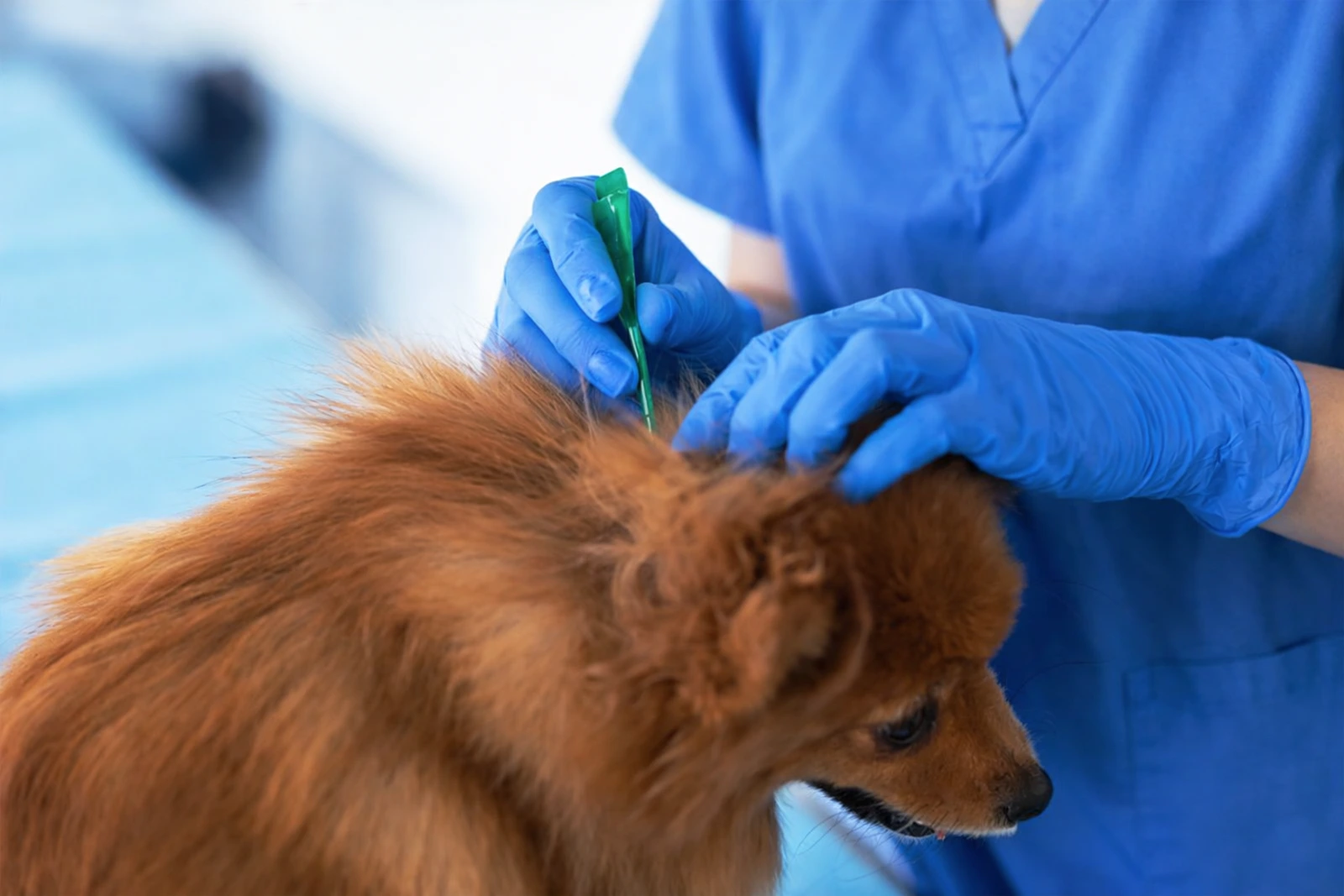
Flea, Tick & Heartworm Prevention in Doha, Qatar
Parkview Pet Center in Madinat Khalifa North, Doha, Qatar provides year-round flea, tick, and heartworm prevention for dogs and cats. Qatar has no cold season to break the parasite lifecycle, meaning fleas, ticks, and mosquitoes are active twelve months a year. Tick-borne diseases including Ehrlichia canis, Babesia, and Leishmania are endemic in Qatar and can cause fatal illness if left untreated. The clinic’s in-house laboratory runs rapid snap tests for tick-borne diseases and heartworm with same-visit results, enabling immediate treatment. Prevention programmes are tailored by species, age, weight, and lifestyle — not all products are safe for every animal, and dog tick products containing permethrin must never be used on cats. Operating since 2011, the veterinary team recommends monthly protocols starting from 8 weeks of age. Care at Parkview Pet Center is delivered by the Parkview veterinary team — generalists with deep clinical experience across surgery, internal medicine, dermatology, oncology, and emergency care.
Year-Round Parasites in Qatar
Unlike temperate countries where cold winters interrupt parasite lifecycles, Qatar’s climate allows fleas, ticks, and mosquitoes to thrive twelve months a year. Daytime temperatures in Doha rarely drop below 15°C even in winter, and humidity levels remain high enough for flea eggs to hatch and larvae to develop continuously. This means dogs and cats in Qatar face constant exposure to external parasites and the diseases they carry — there is no “off season” for parasite prevention.
Tick-borne diseases are a serious concern in Qatar. Ehrlichia canis is the most commonly diagnosed tick-borne infection in Doha, but Babesia, Leishmania, and Hepatozoon are also present. Heartworm, transmitted by mosquitoes, is another year-round risk. Parkview Pet Center recommends monthly external parasite prevention for all dogs and cats, annual tick-borne disease and heartworm screening, and immediate testing for any animal showing signs of fever, lethargy, or unexplained bleeding. Prevention is always safer, more effective, and less expensive than treating established disease.
Flea Prevention & Treatment
Year-Round Flea Prevention
Qatar has no winter to interrupt the flea lifecycle. Fleas breed continuously in Doha’s warm, humid climate, meaning dogs and cats need monthly flea prevention every month of the year. Prevention products include topical spot-on treatments, oral tablets, and long-acting collars. Your veterinarian recommends the right formulation based on species, weight, age, and lifestyle.
Flea Allergy Dermatitis
Flea allergy dermatitis (FAD) is one of the most common skin conditions in dogs and cats in Qatar. A single flea bite can trigger intense itching, hair loss, and secondary skin infections in allergic animals. Monthly flea prevention is the primary treatment — eliminating flea exposure prevents allergic reactions. If your pet shows persistent scratching, red skin, or hair loss, a veterinary dermatology consultation can identify the cause. See dermatology services.
Treating Existing Flea Infestations
If your pet already has fleas, treatment involves both the animal and the home environment. The veterinary team prescribes a fast-acting flea treatment to kill adult fleas on the pet, followed by a monthly preventative to break the lifecycle. Home treatment — washing bedding, vacuuming carpets and furniture, and treating the environment — is essential because flea eggs and larvae live off the pet. Rescue puppies and kittens in Qatar often arrive with heavy flea burdens requiring immediate treatment. See puppy & kitten care.
Tick Prevention & Tick-Borne Disease
Tick-Borne Diseases in Qatar
Ticks in Qatar carry multiple disease-causing organisms including Ehrlichia canis (the most common), Babesia, Leishmania, and Hepatozoon. These diseases can cause fever, lethargy, anaemia, bleeding disorders, organ damage, and death if left untreated. Ticks are active year-round in Doha — in gardens, parks, vacant lots, and sandy areas. Monthly tick prevention is the first line of defence.
Tick Disease Testing
Parkview Pet Center’s in-house laboratory performs rapid snap tests for Ehrlichia, Babesia, Leishmania, and heartworm with results during the same visit. Annual screening is recommended for all dogs in Qatar, even those on monthly prevention. If your dog shows unexplained fever, lethargy, weight loss, or bleeding, same-day testing enables immediate diagnosis and treatment. See laboratory services.
Tick Removal
If you find a tick on your pet, remove it carefully using fine-tipped tweezers or a tick removal tool — grasp the tick as close to the skin as possible and pull straight out without twisting. Do not squeeze the tick body, as this can inject pathogens into your pet. If you are unsure how to remove a tick safely, bring your pet to Parkview Pet Center and the veterinary team will remove it and check for signs of tick-borne disease.
Permethrin Toxicity in Cats
Many dog tick products contain permethrin, which is highly toxic to cats. Permethrin exposure causes tremors, seizures, and can be fatal. Never use dog tick products on cats, and keep cats separated from dogs immediately after applying permethrin-based products. If your cat is exposed to a permethrin product, seek emergency veterinary care immediately. Call +974 5509 9494. See emergency services.
Heartworm Prevention
How Heartworm Spreads
Heartworm is transmitted by mosquito bites. When an infected mosquito bites a dog or cat, it deposits heartworm larvae that migrate through the body and mature into adult worms in the heart and pulmonary arteries. Mosquitoes are active year-round in Doha, meaning heartworm transmission is possible every month of the year. Monthly heartworm prevention kills larvae before they mature.
Heartworm in Dogs
Dogs are the natural host for heartworm. Without prevention, adult worms can grow up to 30 cm long and live in the heart and lungs for years, causing heart failure, lung disease, and organ damage. Heartworm testing is performed in Parkview Pet Center’s in-house laboratory with same-visit results. Prevention is far safer and less expensive than treatment. See laboratory services.
Heartworm in Cats
Cats are atypical hosts for heartworm, but even a small number of worms can cause heartworm-associated respiratory disease (HARD), a serious condition that mimics asthma. Diagnosis is more difficult in cats than in dogs, and there is no approved treatment for heartworm infection in cats — making prevention the only reliable strategy. Monthly preventatives are recommended for cats in Qatar, especially those with any outdoor access. See puppy & kitten care.
Prevention by Life Stage
Puppies (from 8 Weeks)
Flea and tick prevention for puppies can start from 8 weeks of age. Not all adult products are safe for young puppies — product selection depends on body weight and age. Rescue puppies in Qatar often arrive with existing flea infestations and tick exposure. Your veterinarian recommends an age-appropriate product and builds a prevention schedule alongside the vaccination programme. See puppy & kitten care.
Kittens (from 8 Weeks)
Flea prevention for kittens starts from 8 weeks using cat-specific products only. Dog flea and tick products containing permethrin must never be used on kittens — permethrin toxicity is fatal. Even indoor kittens need flea prevention because fleas can enter the home on shoes, clothing, and other pets. Heartworm prevention should also be discussed for kittens. See puppy & kitten care.
Adult Dogs & Cats
Adult dogs and cats in Qatar need continuous monthly flea, tick, and heartworm prevention year-round. Annual tick-borne disease screening is recommended even for animals on preventative medication. Prevention products should be reviewed annually — weight changes, lifestyle changes (indoor to outdoor access), and new products may warrant switching formulations. See wellness plans.
Emergency: Permethrin Exposure
If a cat or kitten is accidentally exposed to a permethrin-containing dog product, this is a veterinary emergency. Symptoms include tremors, drooling, seizures, and elevated body temperature. Seek immediate veterinary care — call the emergency line at +974 5509 9494. Early treatment significantly improves outcomes. See emergency services.
Qatar-Specific Parasite Risks
Qatar’s desert climate creates specific parasite challenges that differ from temperate regions. Fleas thrive in air-conditioned indoor environments as well as outdoors, meaning even fully indoor cats are at risk. Ticks are found in gardens, parks, construction sites, and sandy areas throughout Doha and are active in every season. Mosquitoes breed in standing water — common around construction sites, irrigation systems, and ornamental ponds — transmitting heartworm to dogs and cats year-round.
Pets arriving in Qatar from other countries may carry parasites not commonly seen locally, and local parasites may be unfamiliar to owners relocating to Doha. Annual screening for tick-borne diseases and heartworm is recommended for all dogs, and faecal testing identifies internal parasite burdens. Parkview Pet Center’s veterinary team builds a comprehensive parasite prevention programme covering external parasites (fleas, ticks, mosquitoes) and internal parasites (worms, protozoa) tailored to each pet’s species, age, weight, and exposure risk.
Year-round parasite prevention is not optional in Qatar — it is a core part of responsible pet ownership. Monthly preventatives, annual screening, and veterinary guidance keep your pet safe from diseases that are endemic in Doha’s climate.
Related Services
Other services you may need
Frequently Asked Questions
Answers to the most common questions
1 Does my dog need flea treatment all year in Qatar?
Yes. Qatar has no cold season to break the flea lifecycle — fleas breed year-round in Doha’s heat and humidity. Dogs need monthly flea prevention twelve months a year, not just during warmer months as in temperate countries. Parkview Pet Center in Doha recommends a continuous monthly preventative protocol tailored to your dog’s weight and lifestyle. Call +974 4417 1560 to discuss the right product for your dog.
2 Are ticks dangerous for dogs in Doha?
Yes. Ticks in Qatar carry Ehrlichia canis, Babesia, Leishmania, and Hepatozoon — all of which can cause serious illness. Ehrlichia is the most common tick-borne disease in Doha and causes fever, lethargy, bleeding disorders, and can be fatal if untreated. Ticks are active year-round in gardens, parks, and sandy areas across Qatar. Parkview Pet Center runs rapid snap tests for tick-borne diseases in the in-house laboratory with results during the same visit. Monthly tick prevention is essential. See laboratory services.
3 Can I use dog flea treatment on my cat?
No — never use dog flea or tick products on cats. Many dog products contain permethrin, which is highly toxic to cats and can cause fatal seizures, tremors, and death. This is one of the most common poisoning emergencies in cats. Always use cat-specific flea and tick products. If your cat is accidentally exposed to a permethrin-containing dog product, seek emergency veterinary care immediately — call +974 5509 9494. See emergency services.
4 When should I start flea prevention for my puppy?
Flea prevention for puppies can begin from 8 weeks of age. Product selection is important — not all adult flea treatments are safe for young puppies, and dosing depends on body weight. Your veterinarian at Parkview Pet Center will recommend an age-appropriate, weight-appropriate product. Rescue puppies in Qatar often arrive with existing flea infestations that need immediate treatment alongside a preventative programme. See puppy & kitten care.
5 When should I start flea prevention for my kitten?
Flea prevention for kittens can start from 8 weeks of age using cat-specific products only. Never use dog flea treatments on kittens — permethrin toxicity can be fatal. Rescue kittens in Qatar frequently arrive with flea burdens. Your veterinarian will recommend a safe product based on the kitten’s age and weight. Even indoor kittens benefit from flea prevention because fleas can enter the home on shoes and clothing. See puppy & kitten care.
6 Does my cat need heartworm prevention in Qatar?
Heartworm prevention is recommended for cats in Qatar, especially those with any outdoor access. Heartworm is transmitted by mosquitoes, which are present year-round in Doha. Even a small number of heartworms can cause heartworm-associated respiratory disease in cats. Diagnosis is more difficult in cats than dogs, making prevention especially important. Monthly preventative options are available. Discuss heartworm prevention for your cat with the veterinary team at Parkview Pet Center. Call +974 4417 1560.
7 Can the vet test for tick disease in Doha?
Yes. Parkview Pet Center’s in-house laboratory performs rapid snap tests for Ehrlichia, Babesia, Leishmania, and heartworm with results during the same visit. Annual tick-borne disease screening is recommended for all dogs in Qatar, even those on preventative medication. If your dog presents with unexplained fever, lethargy, or bleeding, same-day testing allows immediate diagnosis and treatment. See laboratory services.
8 What parasites are common in Qatar?
External parasites in Qatar include fleas (year-round), ticks (year-round, carrying Ehrlichia, Babesia, Leishmania), and mosquitoes (transmitting heartworm). Internal parasites include roundworm, hookworm, whipworm, tapeworm, and Giardia. Qatar’s warm climate means parasites are active twelve months a year — there is no seasonal break. Both external parasite prevention (this page) and internal parasite prevention (deworming) are needed year-round. See laboratory for in-house parasite testing.
9 How much does parasite prevention cost in Doha?
The cost of parasite prevention at Parkview Pet Center depends on the products recommended, your pet’s species, weight, and age, and whether additional testing (heartworm, tick-borne disease screening) is included. Monthly preventatives vary in price depending on formulation (topical, oral, collar). Your veterinarian discusses all options and costs during the consultation. Call +974 4417 1560 for specific pricing.
Visit Parkview Pet Center
Madinat Khalifa North, Doha, Qatar
Contact Information
Parkview Pet Center
Areas Served