
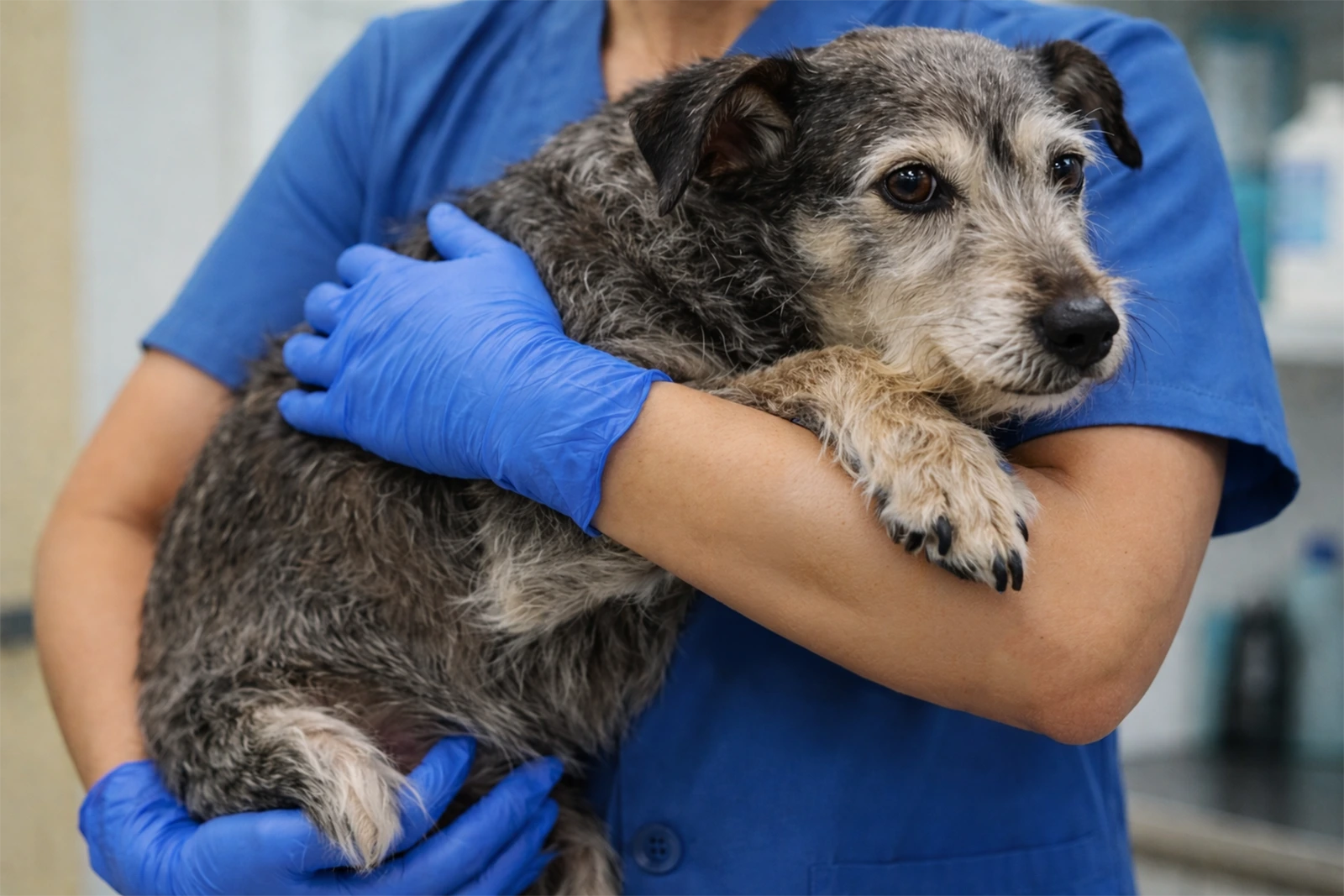
Senior Dog & Cat Care in Doha, Qatar
Parkview Pet Center in Madinat Khalifa North, Doha, Qatar provides structured veterinary care for senior dogs and cats — pets that represent 30% of caseload. Operating since 2011, the veterinary team assesses each aging pet individually rather than applying a blanket age cutoff. Dogs are senior from 7 years, with large and giant breeds showing age-related changes from 5–6 years. Cats from 7–8 years. Senior wellness screening — recommended every 6–12 months — includes blood chemistry, complete blood count, thyroid panels, urinalysis, and blood pressure monitoring, all processed in the in-house laboratory with same-visit results. The most common conditions in senior pets include dental disease, chronic kidney disease, cardiac disease, arthritis, diabetes, and cognitive decline. Prescription senior diets and joint supplements are available at the on-site pet store. Care at Parkview Pet Center is delivered by the Parkview veterinary team — generalists with deep clinical experience across surgery, internal medicine, dermatology, oncology, and emergency care.
When Is a Pet “Senior”?
Age thresholds vary by species, breed, and individual condition
The veterinary team at Parkview Pet Center does not treat age as a single threshold. A 7-year-old Labrador may show no age-related changes while another 7-year-old of the same breed already demonstrates early arthritis, dental disease, and reduced kidney function. Clinical condition — not the calendar — determines how the veterinary team approaches each pet’s care plan.
That said, general guidelines help owners know when to start thinking about senior-specific screening. Dogs are typically considered senior from 7 years of age, though large and giant breeds (Great Danes, German Shepherds, Rottweilers) may begin showing age-related conditions at 5–6 years due to their shorter lifespans. Cats enter the early senior category at 7–8 years and are definitively senior from 10 years onward. Once a pet reaches senior status, the veterinary team recommends transitioning from annual wellness visits to biannual screening — because conditions like kidney disease, diabetes, and cardiac changes can progress significantly in the six months between annual visits.
Why Biannual Screening Matters
Catching conditions early — before symptoms appear
Blood Chemistry & Kidney Monitoring
Senior blood panels assess liver function, kidney values (BUN, creatinine, SDMA), blood glucose, electrolytes, and protein levels. In cats, chronic kidney disease is often detected during routine screening months or years before clinical symptoms appear — early detection allows dietary intervention and monitoring that slows progression. In dogs, diabetes and liver disease are frequently identified through routine chemistry before the owner notices changes. Parkview Pet Center’s in-house laboratory returns results during the same visit. See laboratory services.
Thyroid & Endocrine Screening
Hypothyroidism is common in older dogs (lethargy, weight gain, skin changes). Hyperthyroidism is common in senior cats (weight loss despite increased appetite, hyperactivity, increased thirst). Both are detected through simple blood tests and managed effectively with medication once diagnosed. Undetected thyroid disease worsens over time and can cause secondary heart disease. Regular thyroid screening is part of the senior wellness panel at Parkview Pet Center. See laboratory services.
Urinalysis & Blood Pressure
Urinalysis complements blood chemistry for a complete picture of kidney health — detecting protein loss, crystals, infection, and concentration changes. Blood pressure monitoring identifies hypertension, which is common in senior cats with kidney disease or hyperthyroidism and can cause sudden blindness if left unmanaged. Both are performed in-house with same-visit results. See urinary care.
Common Conditions in Senior Dogs
What to watch for as your dog ages
Dental Disease
Nearly universal in dogs over 7 years. Ranges from mild tartar to severe periodontal disease with tooth root abscesses, loose teeth, and chronic oral pain. Many owners hesitate about dental procedures in older dogs due to anaesthesia concerns — modern anaesthetic monitoring with pre-surgical blood screening (processed in-house at Parkview Pet Center) makes dental procedures safe for senior dogs when properly assessed. Untreated dental disease causes chronic pain, difficulty eating, and bacterial spread to the heart and kidneys. See dental care.
Arthritis & Joint Disease
Extremely common in older dogs, but frequently underdiagnosed because owners perceive stiffness, reluctance to jump, slower walks, and difficulty on stairs as “just getting old.” Arthritis is not normal aging — it is treatable pain. Managed with a multimodal approach: pain medication, joint supplements, weight management, and lifestyle modifications. The veterinary team at Parkview Pet Center assesses mobility and comfort at every senior wellness visit. See consultations.
Cardiac Disease
Degenerative valve disease (mitral valve disease) is the most common heart condition in senior dogs, especially small breeds. Detected through cardiac auscultation during wellness exams and confirmed with echocardiography when indicated. Early medication can slow disease progression and improve quality of life. Signs include coughing (especially at night), exercise intolerance, and rapid breathing. See diagnostics and internal medicine.
Lumps & Masses
Senior dogs commonly develop skin lumps and masses. Most are benign (lipomas, cysts) but some are malignant. Any new lump should be evaluated — fine needle aspirates (FNA) performed in-house identify whether a mass requires surgical removal, monitoring, or further investigation. Do not assume a lump is harmless without veterinary assessment. See oncology and laboratory (FNA).
Common Conditions in Senior Cats
What to watch for as your cat ages
Chronic Kidney Disease (CKD)
The most significant health concern in aging cats. CKD causes progressive loss of kidney function leading to increased thirst, increased urination, weight loss, poor appetite, and nausea. Often detected during routine blood screening before symptoms appear — this is why biannual screening is especially important for cats over 10. Managed with prescription renal diets, fluid therapy (including subcutaneous fluids at home via nurse visits), and ongoing blood work monitoring every 3–6 months. Qatar’s heat increases dehydration stress on compromised kidneys. See internal medicine, urinary care, and house calls for home fluid therapy.
Hyperthyroidism
Common in cats over 10 years. Overactive thyroid gland causes weight loss despite a good or increased appetite, hyperactivity, increased thirst and urination, vomiting, and a fast heart rate. Diagnosed with a simple blood test (thyroid panel) processed in-house with same-visit results. Managed with daily medication — highly effective once diagnosed. Untreated hyperthyroidism causes secondary heart disease and kidney damage. See laboratory services.
Dental Disease
As common in senior cats as in dogs. Cats are particularly prone to tooth resorption (feline odontoclastic resorptive lesions) — a painful condition where the tooth structure breaks down below the gumline, invisible to the owner. Dental X-ray at Parkview Pet Center identifies these hidden lesions. Senior cats with reduced appetite, drooling, or preference for soft food should be assessed for dental pain. See dental care.
Cognitive Decline
Likely underdiagnosed in cats and often mistaken for normal aging changes. Signs include disorientation, altered sleep-wake cycles, house soiling in previously clean cats, excessive vocalisation (especially at night), reduced interaction with family, and staring at walls. While there is no cure, environmental modifications, dietary support, and medication can improve quality of life. The veterinary team can help distinguish cognitive decline from other treatable conditions like hyperthyroidism or pain.
The “Just Getting Old” Myth
Many signs owners dismiss as aging are actually treatable conditions
One of the most common things the veterinary team hears from owners of senior pets is “they’re just getting old.” A dog that’s slower on walks, reluctant to jump onto furniture, or stiff after resting is not simply aging — that dog likely has arthritis, a condition causing genuine pain that responds to treatment. A cat that’s drinking more water, losing weight, or sleeping more than usual is not “slowing down” — those are signs of kidney disease, thyroid disease, or diabetes, all of which are manageable when diagnosed.
The difference between a senior pet that is “getting old” and one that has an undiagnosed, treatable condition is a veterinary examination with appropriate screening. Blood work, urinalysis, and a physical examination — performed every 6–12 months — identify conditions that owners cannot detect at home. Detecting kidney disease at stage 2 (when the pet still seems well) rather than stage 4 (when the pet is visibly ill) can mean years of additional quality life. Parkview Pet Center’s in-house laboratory returns results during the same visit so the conversation about what’s happening and what to do about it happens in one appointment — not days later.
Arthritis & Mobility
Recognising and managing pain in aging pets
Signs of Arthritis (Often Missed)
Limping or favouring a leg. Stiffness when getting up after rest. Reluctance to jump onto furniture or into the car. Slower on walks or refusing to walk as far. Difficulty with stairs. Reduced playfulness. In cats: reluctance to jump to previously favourite high spots, difficulty entering the litter box, reduced grooming leading to a matted coat. Owners frequently dismiss these signs — but they indicate treatable pain, not inevitable decline.
Multimodal Pain Management
Arthritis in senior pets is managed with a combination of approaches, not just one medication. Anti-inflammatory pain medication, joint supplements (glucosamine, omega-3 fatty acids), weight management (reducing load on joints), environmental modifications (ramps, raised food bowls, low-entry litter boxes for cats), and controlled exercise. The veterinary team tailors the plan to each pet’s condition, weight, and other health factors. Regular reassessment ensures the plan remains effective as the condition evolves. See consultations.
Quality of Life
Monitoring comfort and wellbeing as your pet ages
Parkview Pet Center provides quality-of-life assessment tools — structured questionnaires that owners can complete in the clinic, or remotely via WhatsApp or email. These questionnaires track mobility, appetite, hydration, hygiene, happiness, pain indicators, and daily function over time. They give owners a framework for recognising subtle changes that might otherwise be dismissed as normal aging — and they provide the veterinary team with objective data to guide treatment decisions.
Quality-of-life monitoring is not about deciding when to say goodbye — it’s about ensuring your senior pet is comfortable, engaged, and enjoying their daily life. When the data shows a decline in one area, the veterinary team can adjust pain medication, change the diet, add fluid therapy, or modify the home environment. When multiple areas decline despite treatment, the questionnaires help owners and veterinarians have an honest, informed conversation about what comes next — without guessing. For owners considering end-of-life care, Parkview Pet Center provides compassionate home euthanasia for qualifying cases. See house calls for end-of-life care at home.
Nutrition for Senior Pets
Dietary adjustments as your pet ages
Senior Diets
Nutritional needs change as pets age. Senior-specific diets are formulated with adjusted protein levels, enhanced joint support, controlled phosphorus (kidney protection), and calorie management. Dogs that were on adult maintenance food should transition to a senior formula around 7 years. Cats benefit from senior diets that support kidney function and maintain muscle mass. Prescription diets are available for pets with diagnosed conditions — renal diets for kidney disease, diabetic diets, weight management formulas, and dental diets. Royal Canin and Hills Pet Nutrition senior and prescription ranges are stocked at Parkview Pet Center’s on-site pet store with delivery via Talabat and Snoonu. See nutrition services and pet store.
Weight Management
Obesity is one of the most common and most harmful conditions in senior pets. Excess weight worsens arthritis, increases diabetes risk, strains the heart, and reduces lifespan. Senior pets often become less active — Qatar’s heat limits outdoor exercise further — meaning calorie intake must decrease as activity drops. The veterinary team assesses body condition at every visit and recommends dietary adjustments and feeding strategies. Even modest weight loss (10–15%) can significantly improve mobility and comfort in arthritic pets.
Senior Pet Care in Qatar’s Climate
How Doha’s environment affects aging pets
Qatar’s extreme heat creates specific challenges for senior pets that do not exist in temperate climates. Dehydration risk is higher in older animals — especially those with kidney disease, where the kidneys cannot concentrate urine efficiently. Senior dogs that previously enjoyed long outdoor walks must have their exercise adjusted seasonally — early morning and late evening only during summer months, with short durations and constant access to water. Senior cats in air-conditioned homes may not drink enough water despite the indoor climate being comfortable, and reduced water intake accelerates kidney decline.
Qatar’s expat population includes many families who relocated with young pets years ago. Those pets are now aging, and owners are navigating senior care in a climate and veterinary landscape different from their home countries. Indoor living — common in Doha’s apartments and villas with limited outdoor space during summer — reduces physical activity, contributing to obesity and muscle loss in aging pets. Regular veterinary wellness screening, appropriate nutrition, and proactive mobility management help senior pets in Qatar live comfortably despite the environmental challenges.
Related Services
Other services you may need
Frequently Asked Questions
Answers to the most common questions
1 When is a dog considered senior?
Dogs are generally considered senior from around 7 years of age. Large and giant breeds — Great Danes, German Shepherds, Rottweilers — may begin showing age-related changes earlier, from 5–6 years, due to their shorter lifespans. However, the veterinary team at Parkview Pet Center in Doha assesses each dog individually rather than applying a blanket age cutoff. Some 7-year-old dogs show no age-related changes while others of the same age already have early arthritis, dental disease, or organ function changes. Clinical condition determines the care plan, not the calendar alone.
2 When is a cat considered senior?
Cats enter the early senior category at 7–8 years and are definitively senior from 10 years onward. Senior cats are more prone to chronic kidney disease, hyperthyroidism, dental disease, and cognitive decline. Parkview Pet Center in Doha recommends transitioning from annual wellness visits to biannual screening once a cat reaches senior status — conditions like kidney disease can progress significantly between annual visits. Early detection through routine blood work adds years of quality life. Call +974 4417 1560 to schedule a senior wellness check.
3 How often should my senior pet see the vet?
Senior dogs and cats should have a wellness screening every 6–12 months — more frequently than the annual visits recommended for younger pets. Pets with existing conditions (kidney disease, diabetes, thyroid disorders, cardiac disease) may need monitoring every 3–6 months. Senior screening at Parkview Pet Center includes blood chemistry, complete blood count, thyroid panel, urinalysis, blood pressure, and a comprehensive physical examination — all processed in the in-house laboratory with same-visit results.
4 Is my old dog just slowing down or is something wrong?
Many signs that owners dismiss as "just getting old" are actually treatable conditions. A dog that is slower on walks, stiff after resting, reluctant to jump, or less playful likely has arthritis — a condition causing genuine pain that responds to medication, supplements, and weight management. A dog that is drinking more water, losing weight, or having accidents may have kidney disease, diabetes, or a urinary tract infection. The only way to know is a veterinary examination with appropriate blood work and urinalysis. Call +974 4417 1560 — early detection makes a significant difference.
5 What blood tests does a senior pet need?
A senior wellness panel at Parkview Pet Center typically includes: complete blood count (CBC) to assess red and white blood cells, blood chemistry panel for liver and kidney function, thyroid screening (hypothyroidism in dogs, hyperthyroidism in cats), blood glucose, electrolytes, and urinalysis. All are processed in the in-house laboratory with results during the same visit. Additional tests — cardiac markers, blood pressure, specific endocrine panels — are added based on individual findings.
6 My senior cat is drinking more water — should I be worried?
Increased water consumption (polydipsia) in a senior cat is a significant finding that should not be dismissed. The most common causes are chronic kidney disease, hyperthyroidism, and diabetes mellitus — all of which are treatable when diagnosed early. Parkview Pet Center’s in-house laboratory can run a blood chemistry panel, thyroid test, and urinalysis with same-visit results to identify the cause during a single appointment. Do not wait for other symptoms to develop — early intervention for kidney disease and diabetes significantly improves outcomes. Call +974 4417 1560.
7 Is it safe to put an older pet under anaesthesia for dental work?
Yes — with proper pre-surgical screening. The concern about anaesthesia in senior pets is understandable, but untreated dental disease causes chronic pain, difficulty eating, and bacterial spread to the heart and kidneys. Parkview Pet Center performs pre-anaesthetic blood work in the in-house laboratory on the same day as the procedure, confirming that the liver and kidneys can safely process anaesthetic drugs. The dedicated surgical suite has multiparameter anaesthetic monitoring (pulse oximetry, capnography, blood pressure, ECG) for continuous safety throughout the procedure.
8 How do I know if my old pet is in pain?
Pets — especially cats — are skilled at hiding pain. Signs to watch for include: reduced activity or reluctance to move, stiffness after rest, limping, difficulty jumping or climbing stairs, decreased appetite, changes in grooming habits (cats), panting or restlessness at night, sensitivity when touched, and withdrawal from family interaction. Parkview Pet Center provides quality-of-life questionnaires that owners can complete in the clinic or remotely via WhatsApp or email — these tools help track subtle changes over time and give the veterinary team objective data for pain management decisions. Call +974 4417 1560 to discuss your pet’s comfort.
9 How much does a senior wellness screening cost in Doha?
The cost of a senior wellness screening at Parkview Pet Center depends on which tests are included — a basic blood panel and urinalysis costs less than a comprehensive screening with thyroid, cardiac assessment, and blood pressure monitoring. The veterinary team recommends the specific tests based on your pet’s age, breed, existing conditions, and previous results. All laboratory tests are processed in-house with same-visit results — no external lab delays. Call +974 4417 1560 for specific pricing.
10 Can I do a health check for my senior pet at home?
Parkview Pet Center provides quality-of-life questionnaires that owners can complete at home — available via WhatsApp or email. These structured tools track mobility, appetite, hydration, hygiene, happiness, and daily function over time. While they do not replace a veterinary examination, they help owners recognise subtle changes and provide the veterinary team with useful data between clinic visits. For senior pets that cannot travel to the clinic, Parkview Pet Center also offers veterinary house calls including physical examinations, blood draws, and medication administration.
Visit Parkview Pet Center
Madinat Khalifa North, Doha, Qatar
Contact Information
Parkview Pet Center
Areas Served