
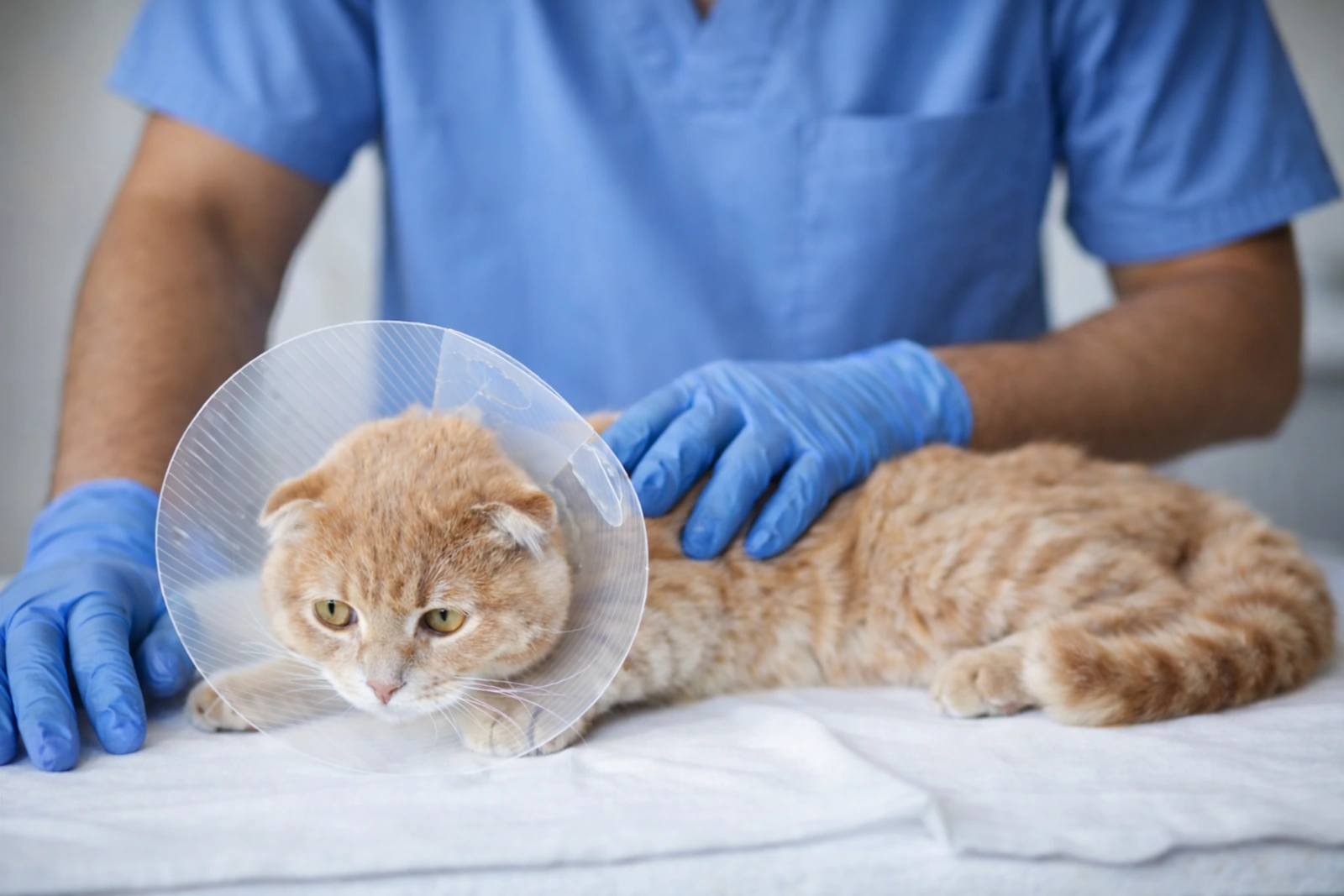
Urinary Care for Dogs & Cats in Doha, Qatar
Parkview Pet Center in Madinat Khalifa North, Doha, Qatar provides comprehensive urinary care for dogs and cats — from emergency catheterisation of blocked male cats to long-term management of feline lower urinary tract disease (FLUTD), bladder stones, urinary tract infections, and chronic kidney disease. The clinic’s in-house laboratory processes urinalysis with same-visit results, enabling immediate diagnosis and treatment decisions. Digital X-ray and ultrasound identify stones, tumours, and structural abnormalities during the same appointment. Surgical procedures including cystotomy (bladder stone removal) and perineal urethrostomy (PU surgery for cats with recurring blockages) are performed in a dedicated surgical suite with full anaesthetic monitoring. Qatar’s heat increases dehydration risk, making urinary conditions more common in the region. Operating since 2011, the veterinary team provides urinary diagnostics, treatment, dietary management, and prevention programmes. Care at Parkview Pet Center is delivered by the Parkview veterinary team — generalists with deep clinical experience across surgery, internal medicine, dermatology, oncology, and emergency care.
Urinary Emergency — Act Immediately
A male cat that cannot urinate is experiencing a life-threatening emergency. Urinary blockage prevents urine from leaving the body, causing toxins to build rapidly in the bloodstream. Without treatment, kidney failure and death can occur within 24–48 hours. Emergency signs include straining to urinate with no output, crying in the litter box, frequent trips with no urine production, lethargy, vomiting, and licking the genital area excessively. If you see these signs — especially in a male cat — do not wait.
Urinary Emergency On-Call
Call now — our on-call vet will advise you immediately and meet you at the clinic if your pet needs emergency urinary care.
Parkview Pet Center in Doha provides emergency urinary care including catheterisation, in-house blood chemistry (BUN, creatinine, potassium), IV fluid therapy, and hospitalisation for blocked cats. The in-house laboratory processes blood work with same-visit results, enabling immediate assessment of kidney function and electrolyte status. For after-hours emergencies, call the emergency line at +974 5509 9494.
Urinary Conditions in Cats
FLUTD (Feline Lower Urinary Tract Disease)
FLUTD is an umbrella term for conditions affecting the cat’s bladder and urethra. The most common form is feline idiopathic cystitis (FIC) — stress-related bladder inflammation with no bacterial cause. Signs include frequent urination, straining, blood in urine, and urinating outside the litter box. FLUTD is one of the most common feline conditions seen at Parkview Pet Center in Doha. Stress management, increased water intake, and prescription urinary diets are cornerstone treatments.
Male Cat Urinary Blockage
Urinary blockage in male cats is a life-threatening emergency. The narrow male urethra can become obstructed by crystals, mucus plugs, or small stones, preventing urine from leaving the body. Toxins build rapidly in the bloodstream. Without treatment, kidney failure and death can occur within 24–48 hours. Emergency treatment includes catheterisation, IV fluids, blood work, and hospitalisation. Cats that block repeatedly may require PU surgery. See surgery services.
Chronic Kidney Disease
Chronic kidney disease (CKD) is common in older cats and affects the kidneys’ ability to filter waste from the blood. Signs include increased thirst and urination, weight loss, poor appetite, and vomiting. Early detection through blood work and urinalysis allows dietary and medical management that slows disease progression. Parkview Pet Center monitors kidney values (BUN, creatinine, SDMA) with in-house blood chemistry. See internal medicine and laboratory services.
Urinary Tract Infections in Cats
True bacterial UTIs are less common in young cats than in dogs — most young cats with urinary signs have FIC rather than infection. However, UTIs are more common in older cats, especially those with kidney disease or diabetes. Urinalysis with culture identifies the bacteria and guides antibiotic selection. Parkview Pet Center processes urinalysis in-house with same-visit results.
Urinary Conditions in Dogs
Urinary Tract Infections
UTIs are common in dogs, especially females. Bacteria enter the urinary tract and cause inflammation of the bladder. Signs include frequent urination, straining, blood in urine, and accidents in the house. Diagnosis requires urinalysis — Parkview Pet Center processes urinalysis in-house with same-visit results. Antibiotics are prescribed based on the bacteria identified. Recurring UTIs may indicate an underlying cause requiring further investigation with imaging or blood work.
Bladder Stones
Bladder stones (uroliths) form when minerals in the urine crystallise and aggregate. Signs include blood in urine, straining, frequent urination, and in severe cases, complete urinary blockage. Stones are diagnosed with digital X-ray and ultrasound — both available in-house at Parkview Pet Center with same-visit results. Some stones dissolve with prescription diets; others require surgical removal (cystotomy). See diagnostics and surgery services.
Urinary Incontinence
Urinary incontinence — involuntary leaking of urine — is most common in spayed female dogs. It typically occurs during rest or sleep. The condition is caused by reduced urethral sphincter tone and responds well to medical management. Your veterinarian at Parkview Pet Center will perform a urinalysis and physical examination to rule out other causes before recommending treatment.
Prostatic Disease
Prostatic disease affects intact (unneutered) male dogs. The prostate gland enlarges with age and can cause difficulty urinating, blood in urine, straining to defecate, and pain. Prostatic infections (prostatitis) require antibiotics and may need prolonged treatment. Neutering is the most effective treatment and prevention for benign prostatic enlargement. See spaying & neutering.
Diagnosis & In-House Testing
Urinalysis
Urinalysis is the foundation of urinary diagnosis. It evaluates urine concentration, pH, protein, glucose, blood, bacteria, white blood cells, and crystal type. Parkview Pet Center’s in-house laboratory processes urinalysis with same-visit results — no waiting for external labs. This allows diagnosis and treatment decisions during the same appointment. See laboratory services.
Digital X-Ray
Digital radiography identifies bladder and kidney stones, evaluates organ size, and detects structural abnormalities. X-rays are processed instantly with same-visit results. Many bladder stone types are clearly visible on X-ray, allowing immediate surgical planning when needed. See diagnostics.
Ultrasound
Ultrasound provides real-time imaging of the bladder, kidneys, and prostate without radiation. It detects stones that may not be visible on X-ray, evaluates bladder wall thickness, identifies tumours, and assesses kidney structure. Ultrasound is non-invasive and does not require sedation in most cases. See diagnostics.
Blood Chemistry
Blood chemistry evaluates kidney function (BUN, creatinine, SDMA, phosphorus) and identifies systemic effects of urinary disease. Pre-surgical blood panels assess anaesthetic safety before procedures like cystotomy or PU surgery. Parkview Pet Center’s in-house laboratory processes blood chemistry with same-visit results. See laboratory services.
Surgical Urinary Procedures
Cystotomy (Bladder Stone Removal)
Cystotomy is the surgical opening of the bladder to remove stones that cannot be dissolved with dietary management. The procedure is performed in Parkview Pet Center’s dedicated surgical suite with full anaesthetic monitoring, including pulse oximetry, capnography, ECG, and blood pressure. Removed stones are submitted for laboratory analysis to identify their mineral composition and guide long-term prevention. Pre-surgical blood work is processed in the in-house laboratory on the same day. See surgery services.
Perineal Urethrostomy (PU Surgery)
PU surgery is performed on male cats with recurring urinary blockages. The procedure creates a wider urethral opening, bypassing the narrow penile urethra where obstruction occurs. PU surgery significantly reduces the risk of future life-threatening blockages. It is recommended when a male cat has blocked multiple times despite dietary and medical management. Post-operative care includes pain management, an Elizabethan collar, dietary adjustment, and follow-up visits. See surgery services.
Prevention & Ongoing Management
Water Intake
Adequate water intake is the single most important factor in urinary health — especially in Qatar’s heat. Provide multiple water stations throughout the home, refresh water daily, and consider a cat water fountain (many cats prefer running water). Include wet food in the diet — wet food contains 70–80% water compared to 10% in dry food. Adding water to dry food is another strategy. For dogs, always carry water during walks in Doha’s heat.
Prescription Urinary Diets
Prescription urinary diets adjust urine pH, reduce crystal-forming minerals, and promote water intake. Royal Canin Urinary S/O and Hills c/d are the most commonly recommended options — both available at Parkview Pet Center’s on-site pet store. These diets are prescribed based on the specific crystal or stone type identified in urinalysis. Long-term dietary management significantly reduces recurrence of FLUTD and bladder stones. See nutrition services and pet store.
Annual Screening
Annual urinalysis screens for early urinary problems before symptoms develop. This is especially important for cats with a history of FLUTD, older cats at risk for kidney disease, and dogs with a history of UTIs or stones. Annual blood work monitors kidney function in at-risk animals. Early detection allows intervention before disease progresses. See wellness plans.
Qatar-Specific Urinary Risks
Qatar’s climate creates specific urinary health challenges for dogs and cats. High temperatures and low humidity increase water loss through panting and evaporation, concentrating urine and raising the risk of crystal formation, bladder stones, and urinary tract infections. Air-conditioned indoor environments — where most pets in Doha spend the majority of their time — further reduce natural thirst signals, meaning cats in particular may not drink enough water without deliberate intervention from their owners.
Cats in Qatar are at elevated risk for FLUTD, particularly during stressful periods such as household moves, construction noise, and introduction of new pets. The combination of heat-driven dehydration and indoor stress makes feline urinary disease one of the most common conditions seen at Parkview Pet Center. Ensuring adequate water intake, feeding wet food, providing environmental enrichment, and scheduling annual urinalysis are simple steps that significantly reduce urinary disease risk in Qatar’s climate.
Urinary problems are among the most common — and most preventable — conditions we see. Adequate hydration, appropriate diet, and annual screening are simple steps that protect your pet from serious urinary disease in Qatar’s climate.
Urinary emergency? Call +974 5509 9494 immediately.
Related Services
Other services you may need
Frequently Asked Questions
Answers to the most common questions
1 My cat can’t urinate — is this an emergency?
Yes — a cat that cannot urinate, especially a male cat, is experiencing a medical emergency. Urinary blockage prevents urine from leaving the body, causing toxins to build rapidly in the bloodstream. Without treatment, kidney failure and death can occur within 24–48 hours. If your cat is straining to urinate, crying in the litter box, producing no urine, or is lethargic and vomiting, call the emergency line at +974 5509 9494 immediately. Parkview Pet Center in Doha provides emergency catheterisation, in-house blood work, IV fluid therapy, and hospitalisation for blocked cats.
2 What causes blood in my dog’s urine?
Blood in a dog’s urine (haematuria) can indicate a urinary tract infection, bladder stones, bladder or kidney tumours, prostatic disease in intact males, or trauma. It always requires a veterinary examination. Parkview Pet Center performs in-house urinalysis with same-visit results to identify the cause. X-ray and ultrasound are available to check for stones and structural issues. Call +974 4417 1560 to schedule an appointment — do not wait if your dog is also straining, unable to urinate, or lethargic.
3 What is FLUTD in cats?
FLUTD stands for feline lower urinary tract disease — an umbrella term covering several conditions affecting the bladder and urethra in cats. Signs include frequent urination, straining, blood in urine, urinating outside the litter box, and excessive grooming of the genital area. Causes include idiopathic cystitis (stress-related bladder inflammation — the most common form), bladder stones, urethral plugs, and urinary tract infections. FLUTD is one of the most common feline conditions seen at Parkview Pet Center in Doha. Treatment depends on the specific cause identified through urinalysis, X-ray, and ultrasound.
4 Can the vet remove bladder stones in Doha?
Yes. Parkview Pet Center performs cystotomy — surgical removal of bladder stones — in a dedicated surgical suite with full anaesthetic monitoring. Stones are diagnosed with in-house digital X-ray and ultrasound with same-visit results. Some stone types can be dissolved with prescription urinary diets; stones that cannot be dissolved are removed surgically. Removed stones are submitted for laboratory analysis to identify their mineral composition and guide prevention. Pre-surgical blood work is processed in the in-house laboratory on the same day. See surgery services.
5 How do I prevent urinary problems in my cat in Qatar?
The most important step is ensuring adequate water intake — Qatar’s heat increases dehydration risk. Provide multiple water stations, consider a cat water fountain, and include wet food in the diet (wet food contains 70–80% water). For cats prone to FLUTD, prescription urinary diets (Royal Canin Urinary S/O, Hills c/d) help control urine pH and reduce crystal formation — available at Parkview Pet Center’s pet store. Reduce stress with environmental enrichment — scratching posts, climbing structures, window perches, and multiple litter boxes. Annual urinalysis screens for early problems. See nutrition services.
6 Does my dog have a urinary tract infection?
Common signs of a urinary tract infection in dogs include frequent urination, straining to urinate, blood in urine, accidents in the house, cloudy or strong-smelling urine, and licking the genital area. Female dogs are more commonly affected. A veterinary examination with urinalysis is needed to confirm the diagnosis — Parkview Pet Center processes urinalysis in-house with same-visit results. Do not attempt home treatment — antibiotics must be selected based on the type of bacteria present. Call +974 4417 1560.
7 What is a urinary diet for cats?
A prescription urinary diet is a specially formulated food that adjusts urine pH, reduces crystal-forming minerals (magnesium, phosphorus, calcium), and increases water intake to dilute urine. Common options include Royal Canin Urinary S/O and Hills c/d — both available at Parkview Pet Center’s on-site pet store. These diets are prescribed by the veterinary team based on the specific type of crystals or stones identified in your cat’s urinalysis. For cats with recurring FLUTD, a urinary diet can significantly reduce the frequency and severity of episodes. See pet store.
8 Can the vet do a urine test on-site in Doha?
Yes. Parkview Pet Center’s in-house laboratory processes urinalysis with same-visit results — no waiting for external lab results. The urinalysis evaluates urine concentration, pH, protein, glucose, blood, bacteria, white blood cells, and crystal type. This information guides diagnosis and treatment decisions during the same appointment. Blood chemistry for kidney values (BUN, creatinine) is also processed in-house. See laboratory services.
9 How much does urinary treatment cost in Doha?
The cost of urinary care at Parkview Pet Center depends on the condition and treatment required. A consultation with urinalysis is less than a case requiring X-ray, ultrasound, blood work, and hospitalisation. Bladder stone surgery (cystotomy) and PU surgery for blocked male cats are more involved procedures with higher costs. Prescription urinary diets are an ongoing cost for cats requiring dietary management. Your veterinarian discusses all diagnostics, treatments, and costs before proceeding. Call +974 4417 1560 for specific pricing.
10 What is PU surgery for cats?
Perineal urethrostomy (PU surgery) is a procedure for male cats with recurring urinary blockages. It creates a wider urethral opening, bypassing the narrow section of the urethra where crystals, mucus plugs, and small stones cause obstruction. PU surgery significantly reduces the risk of future life-threatening blockages. It is recommended when a male cat has blocked multiple times despite dietary and medical management. The procedure is performed under general anaesthesia in Parkview Pet Center’s dedicated surgical suite. Post-operative care includes pain management, dietary adjustment, and follow-up visits. See surgery services.
Visit Parkview Pet Center
Madinat Khalifa North, Doha, Qatar
Contact Information
Parkview Pet Center
Areas Served